To get started with medical marijuana in Pennsylvania, you need to know the steps and requirements. First, you must register with the Pennsylvania Medical Marijuana Program. This is where you create an account using a valid email address and a state-issued ID. Make sure your information matches what's on your ID, or you might run into issues later. Once you're registered, the next step is getting a certification from a physician. But not just any doctor can do this. They need to be approved by the Pennsylvania Department of Health.
Now, let's talk about the medical conditions. Pennsylvania has a list of qualifying conditions. These include serious issues like cancer, epilepsy, chronic pain, PTSD, and more. If you have one of these conditions, you can move forward with getting certified. Your physician will evaluate you to confirm your condition and decide if medical marijuana is a suitable treatment.
Key Points:
After your doctor certifies you, you’re not done yet. You need to complete your application on the Medical Marijuana Program website and pay a fee. It’s not a huge amount, but it’s necessary to get your medical marijuana ID card. Without this card, you can't legally purchase medical marijuana from dispensaries in Pennsylvania. If you skip a step or provide incorrect info, it can delay or even prevent you from getting your card. So, double-check everything.
Remember, this isn't a one-and-done process. Your certification and card need to be renewed annually, so mark your calendar. Missing the renewal can mean losing access to your medication, which nobody wants. Stay on top of these steps, and you'll be on your way to legally accessing medical cannabis in Philadelphia.
When looking for a certified physician in Pennsylvania's medical marijuana program, it's crucial to verify their credentials. A physician must be registered with the Department of Health to recommend medical cannabis. You can find this information on the state’s official website. Ensuring your doctor is properly certified helps avoid legal issues and ensures you're receiving professional advice. If a doctor isn't certified, their recommendation won't be valid, which could lead to complications when trying to obtain your medical marijuana card.
The consultation process is an important step in obtaining a medical marijuana recommendation. It typically involves discussing your medical history and current symptoms with a certified doctor. Be prepared to provide detailed information about your condition and any previous treatments you've tried. The doctor will determine if medical marijuana is appropriate for your condition. Skipping parts of this process or not being fully honest can result in an inadequate recommendation, affecting your treatment plan.
Not every condition qualifies for medical marijuana in Pennsylvania, so understanding the list of approved conditions is essential. Conditions like chronic pain, PTSD, and multiple sclerosis are included, among others. Familiarize yourself with these to know if you qualify. If your condition isn't on the list, pursuing a recommendation might be futile. Knowing the qualifying conditions beforehand saves time and helps set realistic expectations when consulting with a physician.
After obtaining a recommendation, follow-up visits with your doctor are often necessary. These visits help monitor the effectiveness of the treatment and make any required adjustments. Regular check-ins ensure your treatment remains effective and safe. Ignoring follow-up appointments can lead to less effective treatment and might even jeopardize your eligibility for continued access to medical marijuana. Consistent communication with your physician is key to successful treatment.
Understanding the legal requirements for medical marijuana use in Pennsylvania is crucial. Patients must possess a valid medical marijuana ID card at all times and adhere to state laws regarding possession limits. It's important to stay informed about any changes in legislation that might affect your access or use of medical cannabis. Non-compliance with these laws can result in serious legal consequences, including fines or loss of access to medical marijuana. Staying compliant protects your rights as a patient.
To get your medical marijuana ID card in Pennsylvania, the first thing you need to do is register online with the Pennsylvania Department of Health. It’s pretty straightforward. You’ll need a valid Pennsylvania driver’s license or an ID card. Make sure your address matches what’s on your ID, or you’ll hit a snag. Once you’re in the system, you need a doctor to certify that you have a qualifying medical condition. Not all doctors can do this, so you’ll have to find one that’s registered with the program.
After the doctor gives you the thumbs up, you’ll go back online to complete your application and pay a fee. The fee is usually $50, but there are discounts if you’re in a financial assistance program. Keep an eye out for that. Once that’s all done, you wait. If everything checks out, you’ll get your card in the mail. It’s valid for a year, so mark your calendar for renewal.
A common mistake? Not updating your doctor certification annually. Without it, you can’t renew your card. And if your card lapses, you won't be able to purchase medical marijuana legally. That could lead to some legal headaches. So, stay on top of it. This card is your key to accessing dispensaries in Pennsylvania legally, ensuring you’re in compliance with state laws. It might seem like a hassle at first, but having your medical marijuana ID card is crucial for staying on the right side of the law while accessing the treatment you need.
When you're choosing a dispensary in Philadelphia, there are a few things you should think about. First, check if the dispensary is licensed by the Pennsylvania Department of Health.
Product safety is another biggie. Look for dispensaries that provide third-party lab testing results. These results confirm the product’s potency and check for harmful substances like pesticides or heavy metals. If a dispensary can’t or won’t show these results, that’s a red flag.
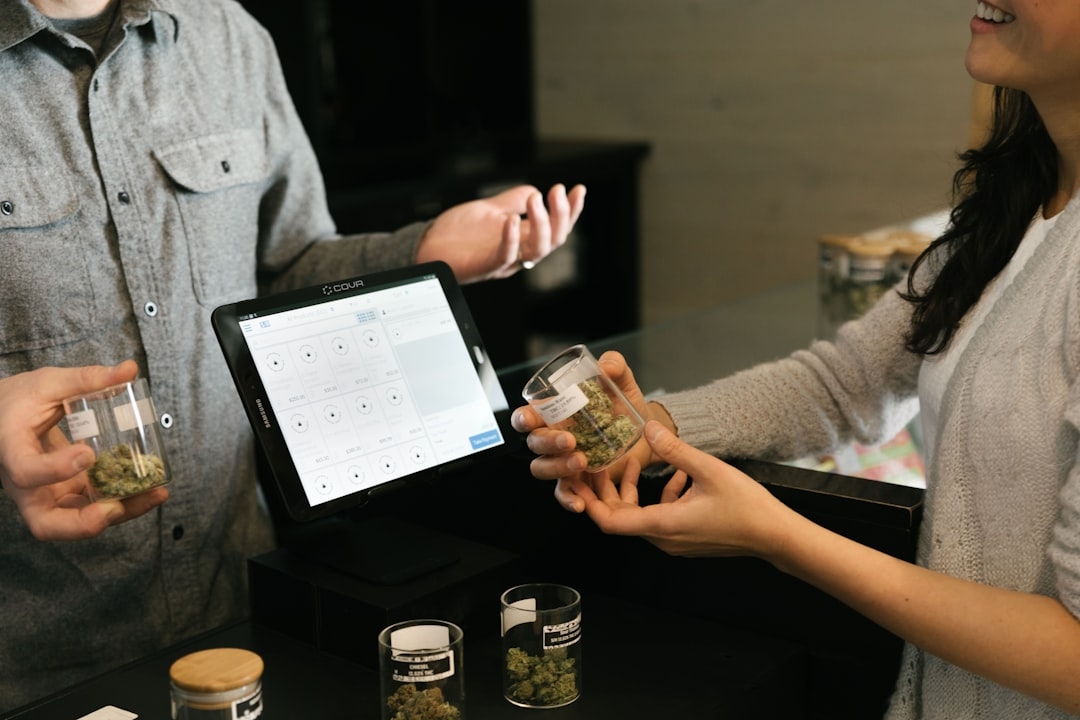
Customer service matters too. A knowledgeable staff can make a big difference, especially if you’re new to medical marijuana. They should be able to answer your questions about strains, dosages, and effects. If they can’t, or if they seem uninterested in helping, you might want to look elsewhere.
Also, think about location and convenience. A dispensary that’s close by and has convenient hours can make your life easier. But don’t sacrifice quality for convenience. It’s better to travel a bit further for a reputable dispensary.
Finally, compliance with state laws is crucial. Dispensaries must follow strict regulations regarding product labeling and packaging. This helps ensure you know exactly what you’re getting. If a dispensary isn’t compliant, it can face penalties, and you might end up with a product that’s not what you expected. Always do your homework. It pays off.
Pennsylvania's Medical Marijuana Program offers a variety of cannabis products to suit different needs. You’ve got oils, tinctures, capsules, topicals, and even dry leaf for vaporization. Each comes with its own set of instructions. Oils and tinctures can be taken sublingually, meaning you drop them under your tongue. Capsules? Swallow them like any other pill. Topicals are applied directly to the skin. Dry leaf, well, you vaporize it. It’s crucial to follow the recommended dosing guidelines for each product to avoid unwanted side effects.
Dosing Tips:
Dosing can be a bit tricky. Start low and go slow. That’s the golden rule. Everyone reacts differently, so what works for one person might not work for another. It’s a trial-and-error process. Begin with the smallest dose and gradually increase until you find relief. Overdoing it can lead to dizziness, anxiety, or even a racing heart, so keep it gradual.
Consult with a certified medical professional before you start. They’ll help tailor a plan that considers your specific condition and lifestyle. It’s important to remember that medical marijuana isn’t a one-size-fits-all solution. Some folks make the mistake of jumping in without guidance and end up with a less-than-ideal experience.
Don’t forget about compliance. Pennsylvania law requires you to keep your products in their original packaging. And remember, sharing your stash, even with someone who has a medical card, isn’t allowed. If you don’t stick to these guidelines, you could face legal issues. So, stick with the program, follow the rules, and make sure you’re using your medical marijuana safely and effectively.
If you're a medical marijuana patient in Philadelphia, you need to know your rights and how to stay on the right side of the law. Pennsylvania's Medical Marijuana Program requires patients to have a valid medical marijuana card. This card is your key to legally purchasing cannabis products from licensed dispensaries. To get one, you need a recommendation from a state-approved physician who confirms your qualifying condition.
Key Points to Remember:
Once you have your card, there are rules. You're allowed to carry a 30-day supply, but don't push your luck by carrying more. Only buy from approved dispensaries. If you try to get your cannabis elsewhere, you're stepping outside the law, and that's risky. It’s important to remember that while you have rights as a patient, those rights don’t extend to using marijuana in public places or while operating a vehicle. That could lead to legal trouble.
Another thing to watch out for is the expiration date on your card. It’s easy to forget, but if your card expires, you can't legally buy or possess medical marijuana until it's renewed. Renewal involves another evaluation by a doctor, so don’t wait until the last minute.
Being informed about these details helps keep you compliant. Ignoring them could mean fines or losing your medical marijuana privileges. So, stay informed, follow the rules, and you'll be fine. It’s all about knowing what you can and can’t do, and sticking to that.
Navigating Pennsylvania's Medical Marijuana Application Process
Medical marijuana in Pennsylvania offers several therapeutic benefits. It’s been shown to help with chronic pain, reduce inflammation, and even ease anxiety or PTSD symptoms. For many, it’s a real game-changer. But don't just jump in without knowing the risks. It’s crucial to understand both sides of the coin.
First off, dosing is key. Too much can lead to unwanted side effects like dizziness, dry mouth, or even paranoia. It’s not a one-size-fits-all situation. Starting with a low dose and gradually increasing can help find the sweet spot. Also, the form of cannabis matters. Whether it’s oils, edibles, or flower, each has different onset times and effects.
Now, legality. In Pennsylvania, you need a medical marijuana card to purchase from a dispensary. No card, no cannabis. This isn't just a rule; it helps ensure that you're getting safe and compliant products. Remember, legal doesn’t mean risk-free. Always check for third-party lab results to make sure what you're buying is legit and free from harmful additives.
Potential Interactions:Also, keep in mind that cannabis can interact with other medications. It might affect blood pressure or alter the effectiveness of other prescriptions. Consulting with a healthcare provider is wise before adding cannabis to your routine.
If you’re new to this, don’t hesitate to ask questions at your local dispensary. The staff is usually knowledgeable and can guide you based on your needs and medical conditions. Just remember, this is about finding what works best for you, safely and legally.
Traveling outside of Pennsylvania as a medical marijuana patient? It’s not as simple as packing your prescription in your suitcase. First, remember that while Pennsylvania allows medical marijuana, federal law doesn’t. This means that once you cross state lines, you're in a gray area. Federally, marijuana is still considered illegal. So, if you're caught with it in a state that hasn't legalized it, you could face legal troubles.
Now, about those states that have legalized marijuana. Each has its own rules. Some states with medical marijuana programs might honor your Pennsylvania card, but many won’t. It’s not a universal pass. Before you go, research the state’s laws. Know if they have reciprocity for out-of-state patients. This could save you from a lot of headaches.
And airports? They’re governed by federal law. So, even if you're flying from Philadelphia to a state where it's legal, the Transportation Security Administration (TSA) could confiscate your stash. Not fun. If you’re determined to fly, check the airport policies and TSA guidelines. It’s a risk, but knowing what you’re up against helps.
One mistake people make is assuming their status as a medical patient protects them everywhere. It doesn’t. If you’re stopped by law enforcement in a state that doesn't recognize your medical card, you’re on your own. Ignorance isn’t a defense. So, plan ahead. Know the laws of your destination. Be prepared and avoid the hassle.
Searching for a dispensary in Santa Rosa CA can be a convenient way to explore legal cannabis products close to home. Across Santa Rosa and nearby Sonoma County communities, a licensed dispensary can offer helpful guidance for both beginners and experienced shoppers.
A quality local cannabis shop may carry popular cannabis products like gummies, vape cartridges, flower, and pre-rolls. First-time shoppers can ask about how edibles work, how strong a product may be, and how long effects can last. Experienced customers may look for products that match their preferred routine.
When choosing a recreational dispensary in Santa Rosa CA, it is important to look for licensed retailers that prioritize product testing, clear labeling, customer education, and compliance. Shopping legally helps ensure that products are safer and more transparent than unregulated alternatives.
Whether you are curious about edibles, interested in flower, or looking for a discreet vape option, a dispensary near me Santa Rosa can help you find options that match your goals. Always ask questions before buying, especially with edibles, vapes, and higher-potency products. Because in Santa Rosa, being prepared is smart, but accidentally eating too many gummies before dinner is a lesson you only need once.
Marijuana in Pennsylvania is illegal for recreational usage, yet property of percentages is decriminalized in several of the state's biggest cities. Medical use was legalized in 2016 via a costs gone by the state legislature.
.Let’s be honest: The goods are pretty much the same at any dispensary. What separates this location from the others is THE SERVICE! The staff are genuinely friendly and do a fantastic job of creating a relaxed, inclusive atmosphere with the personal feel of a family business.
They have the same bud all the time not alot of new stuff or variety at all. And its alot more expensive than other dispensaries in philly. This is a back up spot if others are closed. They send alot of their good stuff or new stuff to Plymouth meeting store or the one near there but not South Philly
They have a lot of great deals to choose from. The team working there is awesome. When I leave curaleaf I always have a smile on my face. They are so cheerful it puts you in a good mood. I really like going there.
To be eligible for a medical marijuana card in Pennsylvania, you must be a resident of the state, have a qualifying medical condition as defined by the program, and obtain a certification from an approved physician.
Medical marijuana patients in Philadelphia can purchase cannabis products at state-licensed dispensaries, which offer a variety of compliant and safe products tailored to medical needs.
Yes, medical marijuana patients in Pennsylvania can access a range of products including oils, pills, tinctures, and topicals, but smoking of dry leaf is not permitted under the medical program regulations.