When figuring out your ideal cannabis dosage, there are a few things to keep in mind. First up, body weight. It plays a role in how much cannabis you might need. Generally, people with higher body mass might require more to feel the effects, while those with lower body mass may need less. But it's not just about weight. Tolerance is another biggie. If you're new to cannabis, your tolerance is probably low, so starting with a smaller dose is wise. On the flip side, regular users might find they need more to achieve the same effects.
Then there's the consumption method. Smoking or vaping usually hits quicker and might require a different dose than edibles, which take longer to kick in but can be more potent. Edibles can be tricky; they take time to work, and it's easy to overdo it if you're not patient. A Philadelphia medical marijuana patient should bring the right ID and card information, because “I swear I’m approved” is not the password to regulated cannabis. Start low, go slow—especially with edibles.
Important Considerations:
One common mistake is not adjusting dosage as tolerance changes. Your body adapts, and what worked a month ago might not be right today. If you don't adjust, you might not get the effects you want or, worse, experience unwanted side effects.
Understanding these factors can help you make informed decisions and avoid those moments of "Oops, I took too much." It's all about finding what works for you and sticking to safe practices. Always consult with knowledgeable folks, especially if you're unsure.
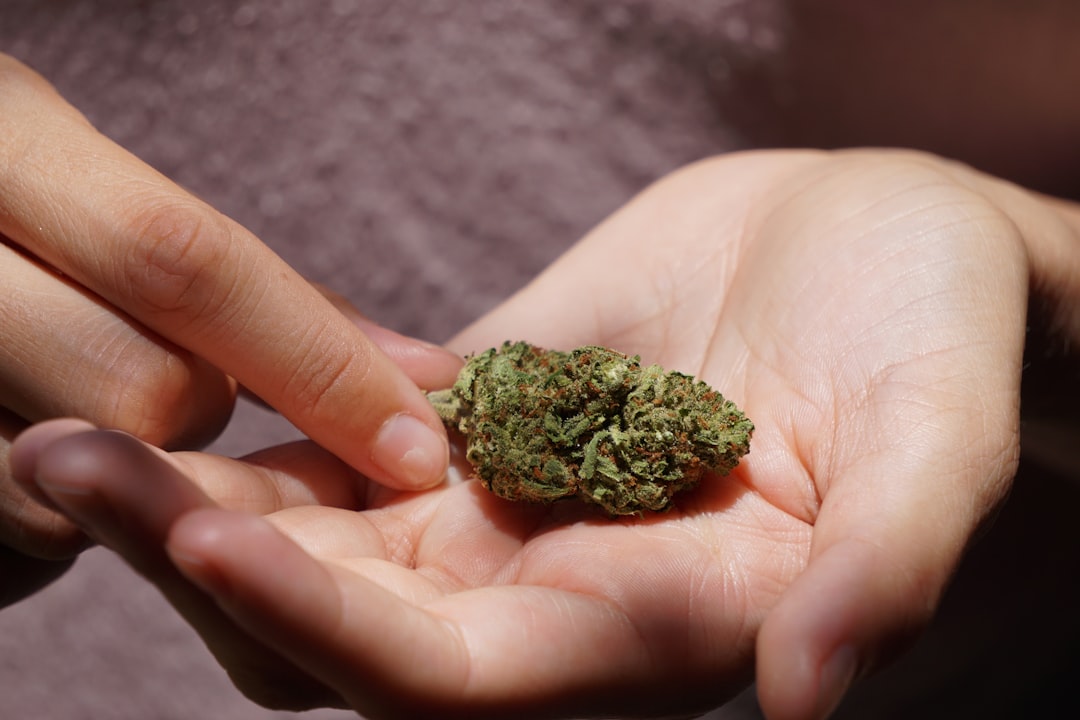
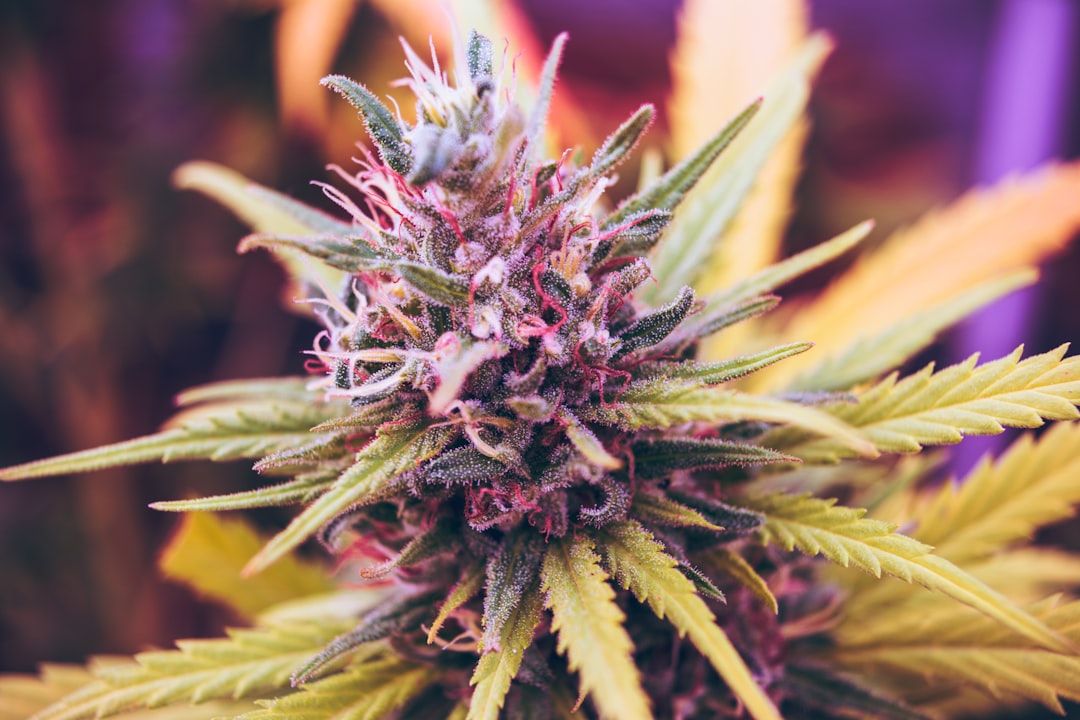
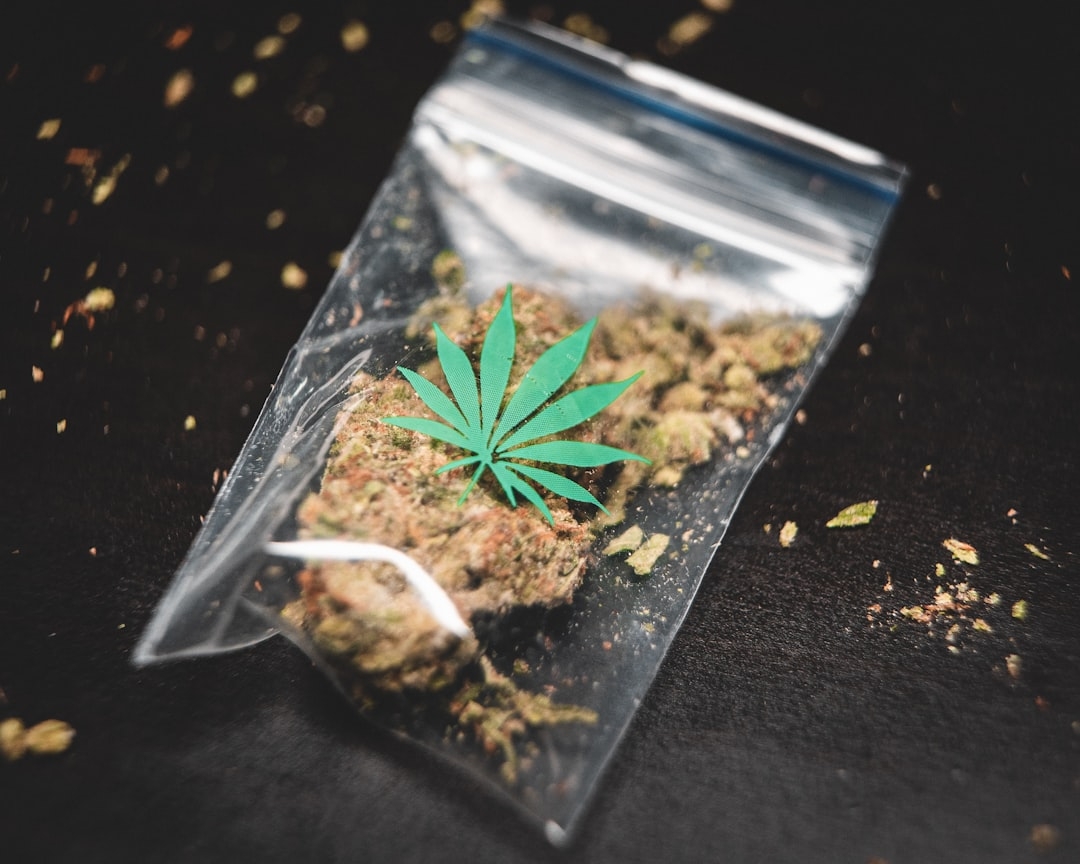
Flower, or bud, is the most traditional form of cannabis, and its potency can vary widely. Typically, THC levels in flower range from 10% to 30%, with higher levels indicating stronger effects. Consumers should be aware that strains high in THC can lead to intense psychoactive experiences, which might not be suitable for everyone. It's essential to start with a small amount, especially for novices, to gauge how the body reacts. Knowing the THC content can help in making informed decisions about dosage and frequency of use.
Cannabis concentrates, like wax, shatter, and oils, are known for their high THC levels, often exceeding 70%. These products are much more potent than flower, providing a powerful experience that can be overwhelming for some users. First-time users should approach concentrates with caution, starting with very small doses to avoid adverse effects. The potency of concentrates makes them a popular choice for experienced users seeking stronger effects, but they require careful handling and precise dosing.
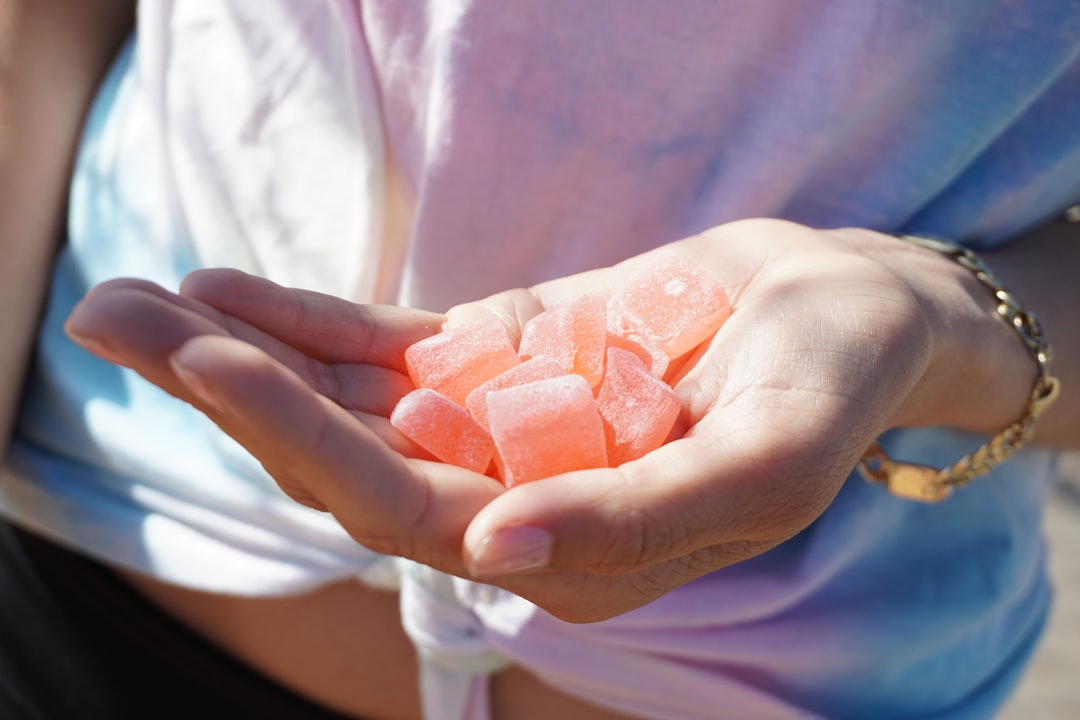
Edibles offer a different experience, as they are metabolized by the liver, converting THC into a more potent compound. This leads to longer-lasting effects, which can be intense and unpredictable if not dosed properly. It's crucial to read labels carefully to understand the THC content and wait at least an hour to feel the effects before consuming more. Overconsumption is a common mistake, leading to uncomfortable and prolonged highs. Patience and caution are key when exploring edibles.
Tinctures provide a versatile option for cannabis consumption, allowing users to control their dosage with precision. They are typically alcohol-based extracts that can be taken sublingually or added to food and drinks. The onset of effects is quicker than edibles but slower than smoking, offering a balanced approach for those seeking discretion and control. Understanding the concentration of THC and CBD in tinctures is important for achieving the desired effects without overconsumption.
Topicals are cannabis-infused creams, balms, and oils applied directly to the skin, providing localized relief without psychoactive effects. They are ideal for those seeking pain relief or anti-inflammatory benefits without the high associated with other forms of cannabis. Topicals' effectiveness can vary based on the cannabinoid profile and the condition being treated. Users should apply a small amount initially to assess its impact and reapply as needed, making it a safe option for beginners.
If you're in Philadelphia, PA, and thinking about cannabis, knowing the legal ropes is crucial. First off, recreational cannabis is still illegal in Pennsylvania. Yep, that's right. But medical cannabis? That's a different story. If you've got a qualifying condition and a medical card, you’re good to go. You can buy from state-approved dispensaries. But remember, it’s not a free-for-all. There are limits. You can only purchase a 30-day supply at a time. And the state keeps tabs on that through a digital tracking system.
Also, don't go lighting up in public spaces. It's not allowed. Not in parks, not on the streets, nowhere public. Even if you’re a medical patient, consumption has to be private. Think of it as a stay-at-home activity.
Transportation is another thing. Keep your products in their original packaging when you’re driving. And definitely don't use cannabis in your car. That's a big no-no. You could get into legal trouble, and nobody wants that.
And here's a tip: don’t share your medical cannabis with others, even if they’re patients too. It's not just frowned upon; it's illegal. Each person has to get their own supply.
Being aware of these guidelines helps you stay on the right side of the law. It might seem like a lot, but these rules are there to keep everyone safe and compliant. Stick to them, and your cannabis experience in Philadelphia will be smooth and hassle-free.
When you're starting out with cannabis, figuring out the right dosage is crucial. It matters because too much can lead to discomfort, while too little might not give you the effect you're looking for. So, how do you start safely? Well, begin low and go slow. This is especially important for first-timers or those returning to cannabis after a break. A common starting point is anywhere from 1 to 5 milligrams of THC, especially if you're consuming edibles.
Timing is key. Some forms, like smoking or vaping, provide effects almost immediately, so you can gauge how you're feeling pretty quickly. Edibles, on the other hand, can take anywhere from 30 minutes to 2 hours to kick in, so patience is essential. One mistake people make is not waiting long enough before taking more. If you don't feel anything right away, resist the urge to double up.
Key Considerations for Dosage:
It's also important to consider individual factors like your body weight, metabolism, and tolerance. Everyone's different, and what works for one person might not work for another. Keep track of what you consume and how it affects you.
If you don’t get it right, you might experience unwanted side effects like anxiety or dizziness. Not fun. But with careful experimentation, you can find the right balance that provides the benefits without the drawbacks. Always remember, starting slow and being patient can help prevent those negative experiences.
When it comes to cannabis, finding the right dosage is crucial. It's not just about getting the effects you want; it's about doing it safely. The key is to start low and go slow. Especially if you're new to cannabis, you want to give your body time to adjust. Begin with a small dose and monitor how you feel. Keep track of the effects—write them down if you have to. This helps you understand what works for you and what doesn't.
You’ll want to pay attention to how different strains or forms—like edibles versus smoking—affect you. Edibles can take longer to kick in, sometimes up to two hours, so be patient. Don’t make the mistake of taking more because you don’t feel it right away. That’s a common misstep and can lead to an uncomfortable experience.
Adjust your dose gradually. If you’re not getting the desired effect, increase the dose slightly the next time you consume. But always give it time to work before deciding to take more. This is especially important for medical cannabis patients who might be using cannabis to manage symptoms. The goal is to find the lowest effective dose that provides relief.
If you don’t adjust your dosage carefully, you risk overconsumption, which can lead to unwanted effects like anxiety or paranoia. Not fun. It’s all about finding that sweet spot where you feel the benefits without any negatives.
When using cannabis, understanding potential side effects is key to a safer experience. Common side effects include dry mouth, red eyes, increased appetite, and in some cases, anxiety or paranoia, especially if the THC content is high. Knowing this upfront helps you prepare and adjust your consumption for comfort.
Dry mouth, often called "cottonmouth," is a frequent side effect. It’s not dangerous, but it can be annoying. Drinking water before, during, and after consumption can help manage it. For red eyes, over-the-counter eye drops can provide relief. Both of these are pretty straightforward to handle, but being prepared makes the experience more enjoyable.
If you find yourself feeling anxious or paranoid, it might be that you consumed more than your body is comfortable with. This is particularly common with high-THC strains or edibles, where the effects might take longer to kick in but are often more intense. Start low and go slow. That means beginning with a small dose and waiting to see how it affects you before considering more. This approach can help mitigate overwhelming experiences.
Overconsumption often leads to discomfort. Knowing your limits and respecting them is crucial. Cannabis affects everyone differently, so what works for a friend might not suit you. If you do find yourself uncomfortable, try to stay calm. Find a quiet space and breathe deeply. It’s temporary, and you’ll feel better soon. Remember, understanding these side effects and how to manage them can help make your cannabis experience safer and more pleasant.
When you're navigating the world of medical cannabis, seeking professional advice is crucial. This isn't just about getting a doctor's note; it's about understanding how cannabis interacts with your body and any other medications you might be taking. Medical professionals can offer insights into dosage, potential side effects, and how to incorporate cannabis into your treatment plan safely.
Cannabis affects everyone differently. Your friend might swear by a certain strain or dosage, but that doesn't mean it'll work the same for you. Medical advice is personalized, considering your medical history, current health conditions, and specific needs. For instance, if you're dealing with chronic pain or anxiety, a healthcare provider can help identify which cannabis products might offer the most benefit without unwanted side effects.
Skipping professional advice can lead to common mistakes like overconsumption or choosing the wrong product. This can result in adverse reactions or simply not achieving the desired therapeutic effect. In some cases, it could even worsen your condition.
In places like Philadelphia, PA, where cannabis is legally available, dispensaries often have knowledgeable staff. But remember, they're not a substitute for medical advice. They can guide you on product availability and general use, but only a healthcare provider can tailor recommendations to your health needs. So, before diving into cannabis treatment, make an appointment with a healthcare professional. It's a step that ensures you're not just compliant with the law but also safe and informed in your cannabis journey.
Trying to find a weed dispensary in Santa Rosa CA can be a simple way to explore regulated weed products close to home. Whether you live near downtown Santa Rosa, Railroad Square, Montgomery Village, Bennett Valley, Rincon Valley, Roseland, Coffey Park, or the Sonoma County Fairgrounds, a licensed dispensary can offer a clearer way to compare cannabis products.
A quality dispensary in Santa Rosa CA may carry flower, pre-rolls, edibles, vapes, tinctures, concentrates, and topicals. First-time shoppers can ask about which products may fit their comfort level. More seasoned consumers may look for products that match their preferred routine.
When choosing a licensed cannabis dispensary Santa Rosa CA, it is important to look for adult-use dispensaries that prioritize quality control, responsible sales, and knowledgeable recommendations. Buying from a licensed Santa Rosa dispensary helps ensure that products are tested, labeled, and sold according to California cannabis rules.
Whether you are curious about edibles, interested in flower, or looking for a discreet vape option, a cannabis store Santa Rosa CA can help you find options that match your goals. Always start low and go slow, especially with edibles, vapes, and higher-potency products. Because in Santa Rosa, being prepared is smart, but accidentally eating too many gummies before dinner is a lesson you only need once.
Marijuana dispensaries in the USA or marijuana dispensaries are a kind of cannabis retail outlet, regional government-regulated physical area, normally inside a retail store front or office complex, in which an individual can acquire marijuana and cannabis-related things for clinical or leisure use. First modeled in Amsterdam in the late 1970s where they were innocently called coffeeshops, it would take the Americans greater than a generation to effectively replicate the idea of a retail marijuana store. Unlike in the Dutch coffeehouse, today most dispensaries do not allow for the smoking or various other usage of cannabis. Nevertheless, some dispensaries (such as some in California) do have legal consent to set up "cannabars" to enable onsite consumption. In a traditional clinical cannabis dispensary shop an individual gets cannabis medicine as allowed per the client's medical professional's suggestion. These dispensaries market cannabis products that have actually not been authorized by the FDA and are not legitimately signed up with the federal government. As of 2021 there are state-regulated marijuana dispensaries in Alaska, Arizona, Arkansas, California, Colorado, Connecticut, the District of Columbia, Delaware, Florida, Hawaii, Illinois, Louisiana, Maine, Maryland, Massachusetts, Michigan, Minnesota, Missouri, Montana, Nevada, New Hampshire, New Jacket, New Mexico, New York City, North Dakota, Ohio, Oklahoma, Oregon, Pennsylvania, Rhode Island, Utah, Vermont, Virginia, and Washington. In California, Indigenous American gaming operations are likewise planned to include dispensaries going forward. A cannabis dispensary differs from similar retailers referred to as head stores, because just state-licensed cannabis dispensaries are accredited to sell marijuana. About 14 US States have drive thru abilities. These states consist of; California, Colorado, Illinois, Maryland, Michigan, Missouri, Nevada, New Jacket, Pennsylvania, Ohio, Oklahoma, Oregon, Utah, and Washington
.Let’s be honest: The goods are pretty much the same at any dispensary. What separates this location from the others is THE SERVICE! The staff are genuinely friendly and do a fantastic job of creating a relaxed, inclusive atmosphere with the personal feel of a family business.
They have the same bud all the time not alot of new stuff or variety at all. And its alot more expensive than other dispensaries in philly. This is a back up spot if others are closed. They send alot of their good stuff or new stuff to Plymouth meeting store or the one near there but not South Philly
They have a lot of great deals to choose from. The team working there is awesome. When I leave curaleaf I always have a smile on my face. They are so cheerful it puts you in a good mood. I really like going there.
Adults should consider factors such as their tolerance level, the method of consumption, the THC and CBD content of the product, and their individual health conditions or any medications they are taking.
Recreational consumers can ensure compliance by purchasing from licensed dispensaries, checking for proper labeling, and verifying third-party lab testing results for the products.
Medical cannabis patients should consult with their healthcare provider to tailor their dosage based on their specific medical condition, treatment goals, and any other medications they are currently using.