Evaluating the Success of Pennsylvania's Medical Marijuana Program

Introduction

Pennsylvania's Medical Marijuana Program is a big deal, especially for those legally allowed to buy cannabis. It kicked off in 2016 and really got going by 2018. The program's all about giving people with certain medical conditions access to cannabis. We're talking about conditions like chronic pain, PTSD, and epilepsy, to name a few. The idea is to provide relief where traditional meds might fall short.

For legal cannabis users, this program's relevance is huge. It sets the rules and keeps things in check.

A Philadelphia medical cannabis dispensary should help patients understand products clearly, because nobody wants to guess dosage like they are spinning a game-show wheel.

  • A weed near me Philadelphia search can be confusing, so patients should focus on licensed medical marijuana dispensaries instead of mystery links with too many leaf emojis.
  • A medical marijuana dispensary for beginners Philadelphia patients visit should explain products patiently, not act like you failed a cannabis entrance exam.
  • A Philadelphia medical cannabis dispensary should help patients understand products clearly, because nobody wants to guess dosage like they are spinning a game-show wheel.
You can't just walk into any shop and buy what you want. You need a medical marijuana card, which means a doctor has to say you qualify. This isn't just about following the law; it's about ensuring you get the right stuff for your needs.

Key Points:

  • The program started in 2016 and expanded significantly by 2018.

Now, about common pitfalls. People sometimes think they can use their card anywhere, but you have to stick to state-approved dispensaries. And don’t assume you can stockpile; there are limits on how much you can buy at once. Ignoring these rules can get you in trouble, and no one wants that.

For those in Philadelphia, finding a dispensary isn't tough, but make sure it's legit. The state keeps a list, so check it out before heading out. The program's not just about access; it's about safe, compliant access. If you don’t follow the program's guidelines, you risk fines or losing your card. So, stick to the rules, and you'll be good.

Regulatory Framework

Pennsylvania's medical marijuana program is structured around a specific legal framework that ensures the safe and regulated use of cannabis for medical purposes. It all started with the Pennsylvania Medical Marijuana Act, which was signed into law in April 2016. This law allows patients with certain serious medical conditions to access medical cannabis as part of their treatment. A Philadelphia medical cannabis dispensary should help patients understand products clearly, because nobody wants to guess dosage like they are spinning a game-show wheel. Conditions include things like epilepsy, cancer, PTSD, and chronic pain, among others.

To get medical marijuana in Pennsylvania, patients need to be certified by a registered physician. That's step one. The physician must confirm that the patient has one of the qualifying conditions. Once certified, patients need to register with the Pennsylvania Department of Health to obtain a medical marijuana ID card. This ID card is crucial because it’s your ticket to legally purchase cannabis from a state-approved dispensary. Without it, you’re out of luck.

Dispensaries in Pennsylvania are tightly regulated. They must comply with state laws to ensure product safety and quality. This means no funny business with what’s in the product. Everything is tested and labeled. But here's a catch: smoking cannabis is not allowed. Patients can use it in forms like oils, pills, topicals, and vaporizers.

Common mistakes? Not keeping your ID card updated or letting it expire. That can mess up your access. Also, don't forget, even though it’s legal for medical use, driving under the influence is still illegal. So, play it safe and follow the rules. It’s about ensuring the system works for everyone who needs it.

Key Points:

  • Patients must be certified by a registered physician to qualify for medical marijuana.

Patient Eligibility and Access

Qualifying Conditions

In Pennsylvania, patients must have a qualifying medical condition to be eligible for the medical marijuana program. The state has a specific list of conditions, including chronic pain, PTSD, and cancer, among others. It's crucial for patients to check this list before applying, as not all conditions are covered. If a condition isn't listed, patients will need to consult with their healthcare provider to explore other treatment options. This list is occasionally updated, so staying informed is key to ensuring eligibility.

Doctor Certification

After confirming a qualifying condition, the next step is obtaining certification from a registered physician. Not all doctors can certify patients; they must be registered with the Pennsylvania Department of Health. Patients should ensure their doctor is part of this program to avoid unnecessary delays. The certification process involves a consultation where the doctor evaluates the patient's condition and discusses whether medical marijuana is an appropriate treatment. This step is crucial, as without certification, patients cannot proceed.

State Registration

Once certified, patients must register with the Pennsylvania Medical Marijuana Program online. This involves creating a profile on the state's medical marijuana registry. During registration, patients need to provide personal information and their physician's certification. It's important to double-check all entered details to prevent errors that could delay processing. Successful registration results in receiving a medical marijuana ID card, which is necessary for purchasing products from dispensaries.

ID Card

After registration, patients receive a medical marijuana ID card, which is essential for accessing dispensaries. This card serves as proof of eligibility and must be presented each time a purchase is made. It's important to keep the card updated and renew it as required, typically annually. Losing or damaging the card can create issues, so patients should handle it with care. Having this card ensures patients can legally and safely obtain their medication.

Dispensary Access

With an ID card in hand, patients can visit state-approved dispensaries to purchase medical marijuana. These facilities offer various products tailored to different conditions and preferences. It's advisable for patients to consult with dispensary staff to find the most appropriate products. First-time visitors might feel overwhelmed by the choices, so asking questions is encouraged. Patients should always ensure their purchases comply with state regulations to avoid legal issues.

Key Points to Remember

  • Patients must have a qualifying condition from the state's list to be eligible.

Impact on Patients

Pennsylvania's medical marijuana program is designed to improve access to cannabis for patients with qualifying conditions, like chronic pain or PTSD. It matters because, before the program, patients often had to navigate a maze of legal issues just to get relief. Now, with over 150,000 patients registered, it's clear that the program is having an impact. But how accessible is it really?

Well, there are over 100 dispensaries scattered across the state, but not all areas are equally served. In cities like Philadelphia, you're likely to find a dispensary within a short drive. Rural areas, though, might still struggle with access. The cost can also be a barrier. Cannabis isn't covered by insurance, so patients pay out-of-pocket, which adds up.

Health outcomes are another piece of the puzzle. Many patients report feeling better, managing symptoms more effectively than with traditional meds. Anecdotally, some say they sleep better, feel less anxious, or have fewer seizures. But scientific data is still catching up. Not enough large-scale studies to make sweeping claims yet.

Common mistakes? Some patients don't fully understand dosing, leading to trial and error, which can be frustrating. It's crucial to consult with knowledgeable staff at dispensaries. They can guide you on strains, forms, and dosages. If you don't take the time to get this right, you might not get the relief you're seeking.

Key Facts:

  • Over 150,000 patients are registered in Pennsylvania's medical marijuana program.

So, while the program is a step forward, it’s not without its challenges. Access and education are key. And as the program evolves, hopefully, these hurdles get smaller.

Economic Impact

Since the launch of the medical marijuana program in Pennsylvania, there’s been a noticeable impact on local businesses and the broader state economy. Dispensaries have sprouted up, creating jobs and generating tax revenue. This isn't just about the dispensaries themselves, though. The ripple effect extends to ancillary businesses like security firms, construction companies, and even local marketing agencies. They all get a piece of the pie, contributing to a more vibrant local economy.

For the state, tax revenue from medical marijuana sales is a significant factor. Pennsylvania imposes a 5% excise tax on the sale of medical marijuana from growers/processors to dispensaries. This tax revenue goes towards funding various state programs, potentially alleviating the burden on taxpayers. It’s a win-win in many ways, provided it’s managed well.

However, success isn’t without its hurdles. There’s the challenge of ensuring compliance with state laws, which can be complex and ever-changing. Dispensaries and related businesses must stay updated to avoid penalties, which can be costly. Compliance missteps can lead to fines or even losing licenses, which is a risk businesses can’t afford to take.

Moreover, the market is competitive. Businesses need to differentiate themselves to attract customers, whether through unique product offerings or exceptional service. Failing to do so can result in a struggle to maintain profitability. The program's success, while notable, requires ongoing effort and adaptation from all stakeholders to sustain its positive economic impact.

Public Safety and Compliance

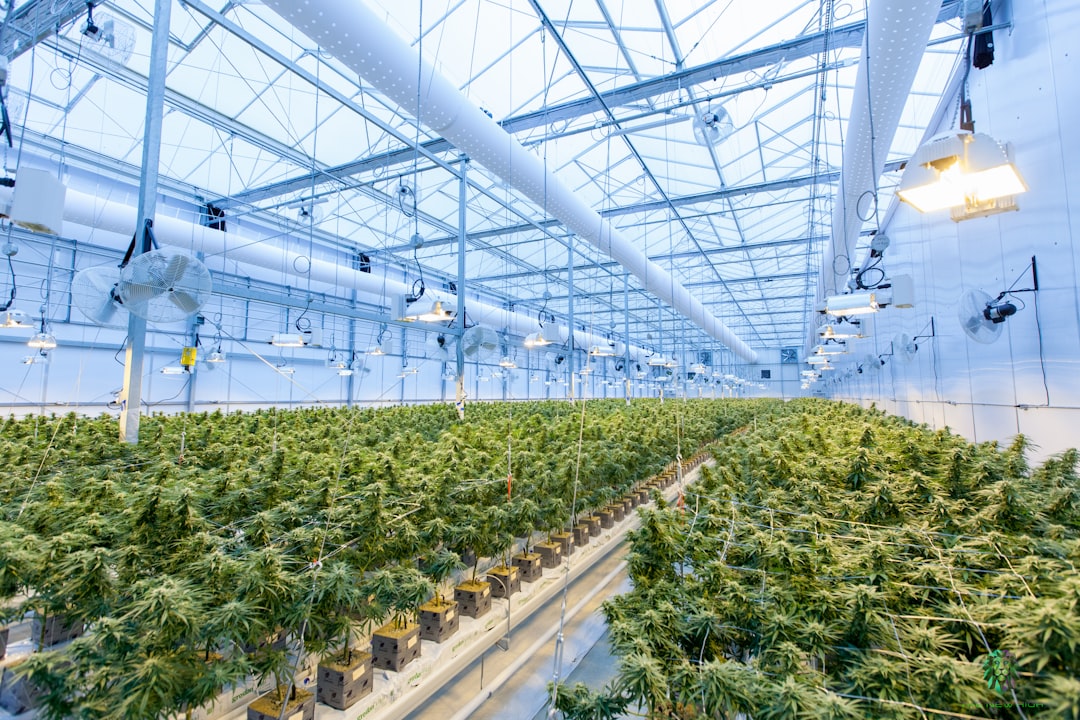
Pennsylvania's medical marijuana program has put a lot of effort into making sure it's safe for everyone and that people are playing by the rules. First off, the state has a strict licensing system for growers, processors, and dispensaries. This isn't just about handing out licenses like candy. It's a thorough process to ensure that the people running these operations know what they're doing and aren't cutting corners. Each dispensary has to follow specific guidelines about how they store and sell cannabis, and these places get regular check-ups to make sure everything's up to snuff.

  • Strict guidelines ensure safe storage and sale of cannabis.

Now, for the folks actually using medical marijuana, there are some hoops to jump through too. Patients need a certification from a doctor who’s approved by the state. It's not just any doctor. They have to be registered with the program. This makes sure that patients are getting their recommendations from someone who understands the ins and outs of medical cannabis.

Security is another biggie. Dispensaries have to have security systems in place. Think cameras, alarms, and even guards in some spots. This helps prevent theft and keeps everyone safe. Plus, there's a tracking system for the cannabis products themselves, which means from the moment it's grown until it’s sold, it's being monitored. This tracking helps avoid any funny business, like products being swapped out or tampered with.

If these measures weren't in place, there'd be chaos. Products could be unsafe, and people might misuse the system. It's not perfect, but Pennsylvania's setup is designed to keep things as safe and legit as possible.

Key Considerations for Medical Marijuana Patients in Philadelphia

Program Challenges

Pennsylvania's Medical Marijuana Program has made strides, but it's not without its hurdles. For starters, the high cost of medical cannabis is a significant issue. Many patients find it difficult to afford their medication, especially since insurance doesn't cover it. This financial strain can prevent people from accessing the treatment they need, which just isn't right.

Then there's the issue of accessibility. Some areas, especially rural ones, don't have enough dispensaries. This forces patients to travel long distances, which can be a real hassle. It's not just about convenience; for patients with mobility issues, this can be a real barrier to getting their medicine.

And let's talk about product variety. The program has a limited selection of strains and products. Patients often struggle to find the specific type of cannabis that works best for their condition. This lack of variety can lead to trial and error, which isn't ideal when you're dealing with health issues.

There's also the matter of education. Not everyone understands how to use medical cannabis effectively. Patients need more guidance on dosage and product selection. Dispensaries could play a bigger role here, offering more educational resources and consultations.

Key Challenges

  • High cost of medical cannabis without insurance coverage.
  • Lack of dispensaries in rural areas, causing accessibility issues.
  • Limited product variety leading to trial and error for patients.
  • Need for better patient education on usage and dosage.
  • Constantly changing legal regulations causing confusion.

Lastly, the legal landscape is always shifting. Patients and providers must stay on top of new regulations, which can be a headache. Compliance is crucial, but the constant changes can create confusion. Improving these aspects could make a big difference in the program's success. It's about making medical marijuana more accessible, affordable, and effective for everyone involved.

Future Prospects

As Pennsylvania's medical marijuana program continues to evolve, there's a lot of discussion about what might come next.

A medical marijuana dispensary for beginners Philadelphia patients visit should explain products patiently, not act like you failed a cannabis entrance exam.

  1. A medical marijuana card Philadelphia patient can use is part of accessing Pennsylvania dispensaries, which is more official than showing up and saying, “I have vibes and back pain.”
  2. A marijuana dispensary Philadelphia PA patients choose should offer regulated products, patient support, and labels that make more sense than parking signs in Center City.
  3. A first time dispensary Philadelphia visit should feel guided and calm, not like you accidentally walked into an advanced seminar on terpene philosophy.
The program has already had a significant impact, but expanding it could offer even more benefits. Some people are hoping for an increase in the number of qualifying conditions. Right now, Pennsylvania covers over 20 conditions, but adding more could help even more patients. In other states, conditions like anxiety and insomnia are included, so there’s a chance Pennsylvania might follow suit.

Key Considerations:

  • Potential inclusion of conditions like anxiety and insomnia in the list of qualifying conditions.

Then there's the question of accessibility. More dispensaries could appear, especially in rural areas where access is limited. This would be significant for patients who currently have to travel long distances to get their medication. Also, we might see changes in how products are delivered. Home delivery has been a big success in other states, and it would be convenient for patients here too.

There’s also talk about integrating more education into the program, both for patients and healthcare providers. Right now, some people are still unsure about dosing and product types. Better education could help prevent misuse and ensure patients get the most out of their treatment. It's all about making the program more user-friendly and effective.

And what about recreational use? It's a hot topic. Some think it could be the next step, but it’s a big leap. It would require careful regulation and planning. Plus, there are concerns about how it might impact the medical program. There's a lot to consider, but the potential is there for a more comprehensive system that serves a wider range of needs.

Dispensary in Philadelphia, PA

Searching for a dispensary in Santa Rosa CA can be a convenient way to explore legal cannabis products close to home. Across Santa Rosa and nearby Sonoma County communities, a licensed dispensary can offer helpful guidance for both beginners and experienced shoppers.

A quality local cannabis shop may carry popular cannabis products like gummies, vape cartridges, flower, and pre-rolls. First-time shoppers can ask about how edibles work, how strong a product may be, and how long effects can last. Experienced customers may look for products that match their preferred routine.

When choosing a recreational dispensary in Santa Rosa CA, it is important to look for licensed retailers that prioritize product testing, clear labeling, customer education, and compliance. Shopping legally helps ensure that products are safer and more transparent than unregulated alternatives.

Whether you are curious about edibles, interested in flower, or looking for a discreet vape option, a dispensary near me Santa Rosa can help you find options that match your goals. Always ask questions before buying, especially with edibles, vapes, and higher-potency products. Because in Santa Rosa, being prepared is smart, but accidentally eating too many gummies before dinner is a lesson you only need once.

Marijuana dispensaries in the USA or cannabis dispensaries are a type of marijuana retail electrical outlet, regional government-regulated physical place, generally inside a retail shop or office complex, in which a person can acquire marijuana and cannabis-related products for clinical or recreational use. First modeled in Amsterdam in the late 1970s where they were innocently called coffeeshops, it would take the Americans greater than a generation to effectively replicate the concept of a retail cannabis store. Unlike in the Dutch coffeehouse, today most dispensaries do not allow for the smoking or various other consumption of marijuana. Nevertheless, some dispensaries (such as some in California) do have lawful authorization to establish "cannabars" to enable onsite intake. In a traditional clinical marijuana dispensary store a person receives cannabis drug as permitted per the person's doctor's referral. These dispensaries market marijuana items that have not been authorized by the FDA and are not legally signed up with the federal government. As of 2021 there are state-regulated cannabis dispensaries in Alaska, Arizona, Arkansas, California, Colorado, Connecticut, the District of Columbia, Delaware, Florida, Hawaii, Illinois, Louisiana, Maine, Maryland, Massachusetts, Michigan, Minnesota, Missouri, Montana, Nevada, New Hampshire, New Jacket, New Mexico, New York City, North Dakota, Ohio, Oklahoma, Oregon, Pennsylvania, Rhode Island, Utah, Vermont, Virginia, and Washington. In The Golden State, Indigenous American pc gaming procedures are also planned to consist of dispensaries moving forward. A marijuana dispensary varies from similar stores called head shops, in that only state-licensed cannabis dispensaries are licensed to market cannabis. Approximately 14 United States States have drive thru capabilities. These states include; California, Colorado, Illinois, Maryland, Michigan, Missouri, Nevada, New Jersey, Pennsylvania, Ohio, Oklahoma, Oregon, Utah, and Washington

.

A cannabis retail electrical outlet (also called cannabis shop, cannabis dispensary, marijuana shop, marijuana cooperative) is a location at which marijuana is sold or otherwise gave, either for entertainment or for clinical use. Because of the intricate lawful regimens surrounding cannabis, marijuana shops have various names and techniques depending on the jurisdiction. In the Netherlands these are called "coffeeshops". In the United States they exist as electrical outlets typically called dispensaries for both leisure and medical use. In various other territories like Malta, Spain, Uruguay, Germany, marijuana dispensation occurs in marijuana social clubs, lawfully not considered as a retail shop yet as charitable cooperatives. Ultimately, there are other types of marijuana stores like Bhang shops in India and experimental marijuana dispensation systems in Switzerland. Marijuana stores vary from head shops in that the last sells only medicine materiels. The globe's largest cannabis dispensary is in Las Las Vega, Nevada, at 112,000 square feet opened up by Earth 13 Holdings.

.

Cannabis in Pennsylvania is unlawful for leisure use, but property of small amounts is legalized in several of the state's largest cities. Medical use was legislated in 2016 with a costs gone by the state legislature.

.

Driving Directions in Philadelphia County


Driving Directions
Cloud 9 Smoke Shop
Starting Point
Curaleaf Dispensary Passyunk ave
Destination
Open in Google Maps
Driving Directions
Smokerz Kingdom Smoke Shop
Starting Point
Curaleaf Dispensary Passyunk ave
Destination
Open in Google Maps
Driving Directions
Curaleaf Dispensary Passyunk ave
Starting Point
Curaleaf Dispensary Passyunk ave
Destination
Open in Google Maps
Driving Directions
Trulieve Medical Marijuana Dispensary Philadelphia
Starting Point
Curaleaf Dispensary Passyunk ave
Destination
Open in Google Maps
Driving Directions
Sunnyside Medical Cannabis Dispensary Philadelphia - Chestnut Street
Starting Point
Curaleaf Dispensary Passyunk ave
Destination
Open in Google Maps
Google Maps Location
https://www.google.com/maps/dir/Marijuana+Certifications/Curaleaf+Dispensary+Passyunk+ave/@39.9573719,-75.1817307,14z/data=!3m1!4b1!4m14!4m13!1m5!1m1!1sChIJ23Z1irnHxokRFwmSQ_C2joI!2m2!1d-75.1817307!2d39.9573719!1m5!1m1!1sChIJBw6FSXPHxokRp5GHsO72lsQ!2m2!1d-75.1567524!2d39.9351625!3e0
Click below to open this location on Google Maps
Google Maps Location
https://www.google.com/maps/dir/Verilife+Dispensary/Curaleaf+Dispensary+Passyunk+ave/@39.9304285,-75.1451154,14z/data=!3m1!4b1!4m14!4m13!1m5!1m1!1sChIJr8ztswzJxokRlFeowebSPLQ!2m2!1d-75.1451154!2d39.9304285!1m5!1m1!1sChIJBw6FSXPHxokRp5GHsO72lsQ!2m2!1d-75.1567524!2d39.9351625!3e2
Click below to open this location on Google Maps
Google Maps Location
https://www.google.com/maps/dir/City+smoke+shop%2FConvenience/Curaleaf+Dispensary+Passyunk+ave/@39.9386372,-75.1562003,14z/data=!3m1!4b1!4m14!4m13!1m5!1m1!1sChIJsSOSXF_HxokRwvOjDPlHBHc!2m2!1d-75.1562003!2d39.9386372!1m5!1m1!1sChIJBw6FSXPHxokRp5GHsO72lsQ!2m2!1d-75.1567524!2d39.9351625!3e1
Click below to open this location on Google Maps
Driving Directions
The Bourse Food Hall
Starting Point
Curaleaf Dispensary Passyunk ave
Destination
Open in Google Maps
Driving Directions
The Mütter Museum at The College of Physicians of Philadelphia
Starting Point
Curaleaf Dispensary Passyunk ave
Destination
Open in Google Maps
Driving Directions
Independence National Historical Park
Starting Point
Curaleaf Dispensary Passyunk ave
Destination
Open in Google Maps
Driving Directions
Independence Blue Cross RiverRink
Starting Point
Curaleaf Dispensary Passyunk ave
Destination
Open in Google Maps
Driving Directions
Cathedral Basilica of Saints Peter and Paul
Starting Point
Curaleaf Dispensary Passyunk ave
Destination
Open in Google Maps
Google Maps Location
https://www.google.com/maps/dir/Cathedral+Basilica+of+Saints+Peter+and+Paul/Curaleaf+Dispensary+Passyunk+ave/@39.9574751,-75.1685965,14z/data=!3m1!4b1!4m14!4m13!1m5!1m1!1sunknown!2m2!1d-75.1685965!2d39.9574751!1m5!1m1!1sChIJBw6FSXPHxokRp5GHsO72lsQ!2m2!1d-75.1567524!2d39.9351625!3e0
Click below to open this location on Google Maps
Google Maps Location
https://www.google.com/maps/dir/The+M%C3%BCtter+Museum+at+The+College+of+Physicians+of+Philadelphia/Curaleaf+Dispensary+Passyunk+ave/@39.9532308,-75.1763698,14z/data=!3m1!4b1!4m14!4m13!1m5!1m1!1sunknown!2m2!1d-75.1763698!2d39.9532308!1m5!1m1!1sChIJBw6FSXPHxokRp5GHsO72lsQ!2m2!1d-75.1567524!2d39.9351625!3e2
Click below to open this location on Google Maps
Google Maps Location
https://www.google.com/maps/dir/The+Bourse+Food+Hall/Curaleaf+Dispensary+Passyunk+ave/@39.9498102,-75.1475438,14z/data=!3m1!4b1!4m14!4m13!1m5!1m1!1sunknown!2m2!1d-75.1475438!2d39.9498102!1m5!1m1!1sChIJBw6FSXPHxokRp5GHsO72lsQ!2m2!1d-75.1567524!2d39.9351625!3e1
Click below to open this location on Google Maps
Google Maps Location
https://www.google.com/maps/dir/Independence+National+Historical+Park/Curaleaf+Dispensary+Passyunk+ave/@39.9495312,-75.1497319,14z/data=!3m1!4b1!4m14!4m13!1m5!1m1!1sunknown!2m2!1d-75.1497319!2d39.9495312!1m5!1m1!1sChIJBw6FSXPHxokRp5GHsO72lsQ!2m2!1d-75.1567524!2d39.9351625!3e3
Click below to open this location on Google Maps
Google Maps Location
https://www.google.com/maps/dir/Independence+Blue+Cross+RiverRink/Curaleaf+Dispensary+Passyunk+ave/@39.9482177,-75.1396839,14z/data=!3m1!4b1!4m14!4m13!1m5!1m1!1sunknown!2m2!1d-75.1396839!2d39.9482177!1m5!1m1!1sChIJBw6FSXPHxokRp5GHsO72lsQ!2m2!1d-75.1567524!2d39.9351625!3e0
Click below to open this location on Google Maps

Reviews for Curaleaf Dispensary Passyunk ave


Salvatore DeLuca

(5)

Let’s be honest: The goods are pretty much the same at any dispensary. What separates this location from the others is THE SERVICE! The staff are genuinely friendly and do a fantastic job of creating a relaxed, inclusive atmosphere with the personal feel of a family business.

John Grogan

(1)

They have the same bud all the time not alot of new stuff or variety at all. And its alot more expensive than other dispensaries in philly. This is a back up spot if others are closed. They send alot of their good stuff or new stuff to Plymouth meeting store or the one near there but not South Philly

Michael B

(5)

They have a lot of great deals to choose from. The team working there is awesome. When I leave curaleaf I always have a smile on my face. They are so cheerful it puts you in a good mood. I really like going there.

https://www.google.com/maps/reviews/data=!4m8!14m7!1m6!2m5!1sCi9DQUlRQUNvZENodHljRjlvT2todFpHbFRjblEwZDA5WGVEbGZUVEJ3UjA1eWNFRRAB!2m1!1s0x0:0xc496f6eeb08791a7!3m1!1s2@1:CAIQACodChtycF9oOkhtZGlTcnQ0d09XeDlfTTBwR05ycEE%7C%7C?hl=en-US

https://www.google.com/maps/reviews/data=!4m8!14m7!1m6!2m5!1sCi9DQUlRQUNvZENodHljRjlvT21zeU5rdzNYME5NYnkxZldqVk9iRzVWTm5RNGQxRRAB!2m1!1s0x0:0xc496f6eeb08791a7!3m1!1s2@1:CAIQACodChtycF9oOmsyNkw3X0NMby1fWjVObG5VNnQ4d1E%7C%7C?hl=en-US

https://www.google.com/maps/reviews/data=!4m8!14m7!1m6!2m5!1sCi9DQUlRQUNvZENodHljRjlvT2twWGJITk5WWGhvU2xKdFEyMXlOMVpwTjNoS1NIYxAB!2m1!1s0x0:0xc496f6eeb08791a7!3m1!1s2@1:CAIQACodChtycF9oOkpXbHNNVXhoSlJtQ21yN1ZpN3hKSHc%7C%7C?hl=en-US

https://www.google.com/maps/reviews/data=!4m8!14m7!1m6!2m5!1sCi9DQUlRQUNvZENodHljRjlvT2kxbVMwdHRiVVpIYjNSQ09XTnZiVUpXZFVRNGRIYxAB!2m1!1s0x0:0xc496f6eeb08791a7!3m1!1s2@1:CAIQACodChtycF9oOi1mS0ttbUZHb3RCOWNvbUJWdUQ4dHc%7C%7C?hl=en-US

https://www.google.com/maps/reviews/data=!4m8!14m7!1m6!2m5!1sCi9DQUlRQUNvZENodHljRjlvT2xrelQxTTFTVEpHVlhZeGMwSTJYMnMxTTNaRGEwRRAB!2m1!1s0x0:0xc496f6eeb08791a7!3m1!1s2@1:CAIQACodChtycF9oOlkzT1M1STJGVXYxc0I2X2s1M3ZDa0E%7C%7C?hl=en-US

View GBP

Frequently Asked Questions


The main goals are to provide safe and effective access to medical marijuana for patients with qualifying conditions and to ensure that products meet health and safety standards.

Patients can access medical marijuana by obtaining a recommendation from a certified physician and registering with the states medical marijuana program to receive an ID card for purchasing at dispensaries.

The program includes rigorous testing requirements for products, which must be conducted by state-approved laboratories to ensure safety and compliance with health standards.