When you pick up a cannabis product, the label is your first guide. It might feel like a lot, but knowing how to read it is key. First, look for the THC and CBD content. THC is what gives you the high, while CBD is non-psychoactive and often used for therapeutic purposes. The ratio between these two can help you decide if the product fits your needs.
Next, check the strain type. Labels usually tell you if it’s an Indica, Sativa, or Hybrid. Indica strains are often more relaxing, Sativas can be energizing, and Hybrids fall somewhere in between. Knowing this helps align your choice with the experience you want.
Ingredients matter too. If you have allergies or dietary restrictions, see if the product contains any additives or allergens. Some edibles might have sugar or gluten, for instance.
Also, look at the test results if they're there. These show the product has been tested for safety and potency, which is especially important for medical users. The date of testing can give you an idea of the product's freshness.
Key Points to Consider:
Watch out for common mistakes like ignoring the expiration date or not noticing the serving size. A small oversight can lead to a stronger effect than intended.
Understanding these labels isn’t just about safety. It’s about making choices that enhance your experience. Getting familiar with these details makes you a more informed consumer and helps you find the right product for your needs.
When choosing a cannabis product, the first thing to consider is the type of product that best suits your needs. Cannabis comes in various forms, including flower, edibles, tinctures, and topicals. Each type has its own method of consumption and onset time. For example, smoking or vaporizing flower provides quicker effects, while edibles take longer to kick in but offer prolonged relief. Understanding the differences can help you select the right product for your lifestyle and preferences.
THC, or tetrahydrocannabinol, is the primary psychoactive compound in cannabis. The THC content of a product will significantly affect your experience. Higher THC levels can lead to more intense effects, which may not be suitable for beginners or those with low tolerance. It's crucial to start with a lower THC product and gradually increase as you become more accustomed. Reading labels and asking dispensary staff for guidance can prevent unpleasant experiences.
CBD, or cannabidiol, is another important component of cannabis, known for its non-psychoactive properties. It offers potential therapeutic benefits, such as reducing anxiety and inflammation, without the high associated with THC. For those seeking medicinal effects without intoxication, CBD-dominant products might be the best choice. Always check the CBD-to-THC ratio to ensure it aligns with your desired outcomes. Understanding CBD's role can enhance your cannabis experience.
The way you consume cannabis can influence both its effects and your overall satisfaction. Inhalation methods like smoking and vaping provide rapid onset, making them ideal for immediate relief. On the other hand, edibles and tinctures are better for sustained effects, though they require patience due to slower absorption. Topicals are useful for localized relief without systemic effects. Consider your lifestyle and needs when choosing a consumption method.
Ensuring that your cannabis purchase is legal and compliant with local regulations is essential. In Santa Rosa, CA, you must be of legal age and purchase from licensed dispensaries. These establishments guarantee product safety and quality, adhering to strict testing standards. Illegal purchases not only risk legal trouble but also health concerns due to unverified products. Always prioritize compliance to safeguard your health and uphold community standards.
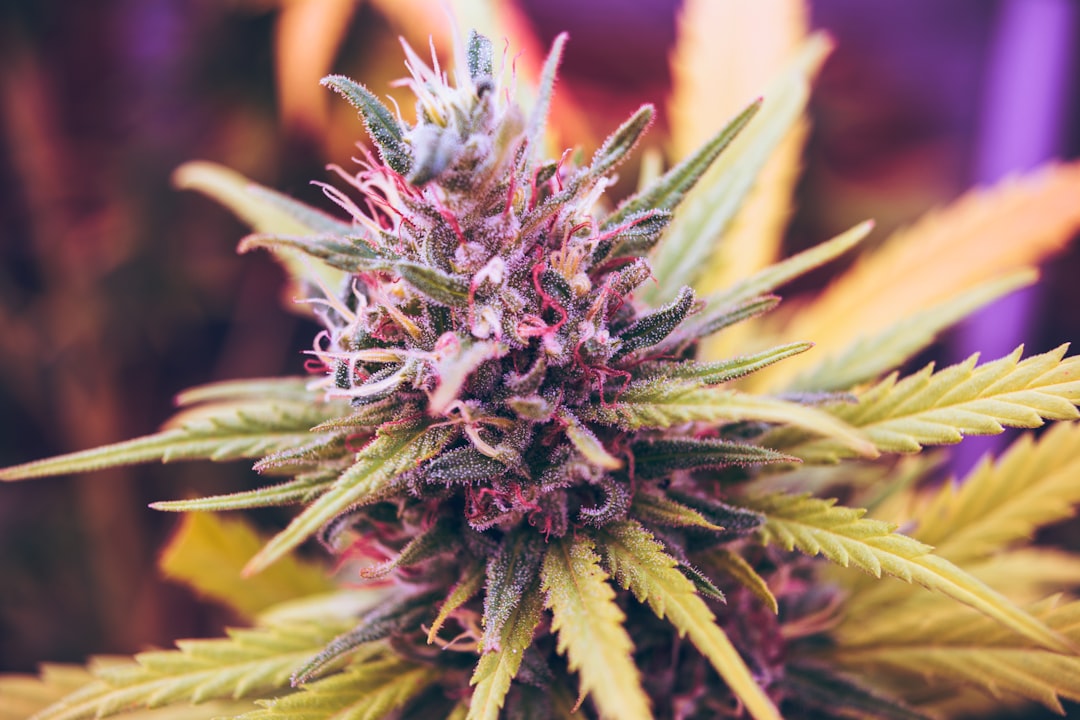
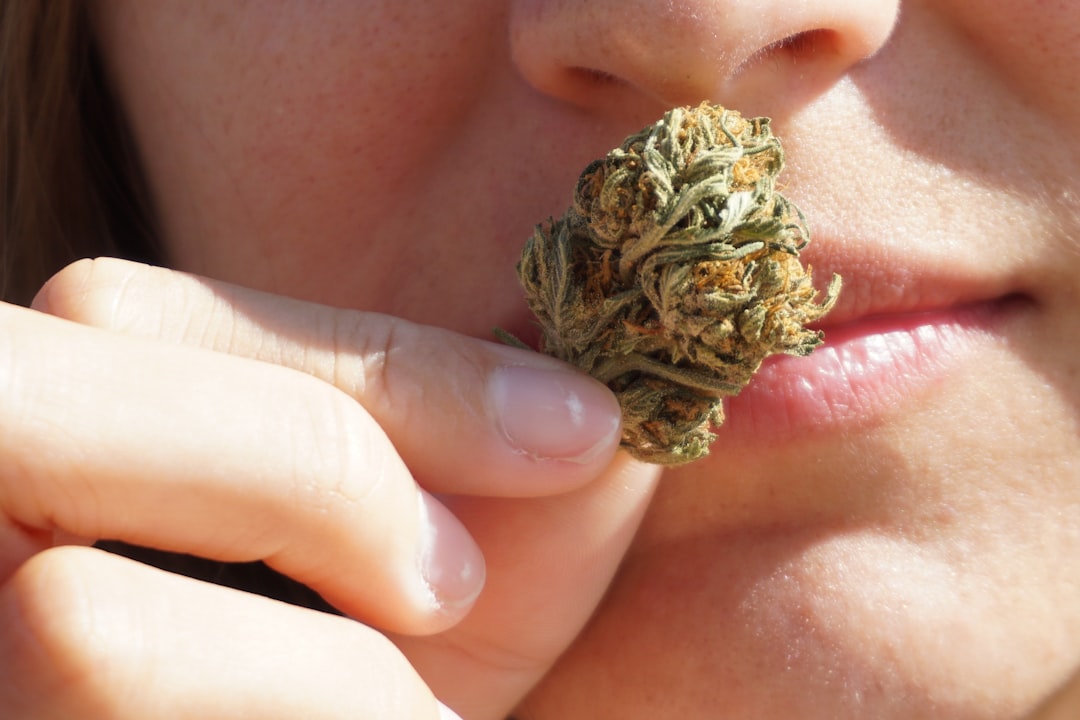
Cannabis comes in many forms, each with its own set of characteristics and uses. Let's start with flowers. These are the dried buds of the cannabis plant, and they're quite popular. People usually smoke or vaporize them. The effects? They kick in quickly, often within minutes, which is ideal if you're looking for fast relief or a quick high. But remember, the high can vary widely depending on the strain and potency.
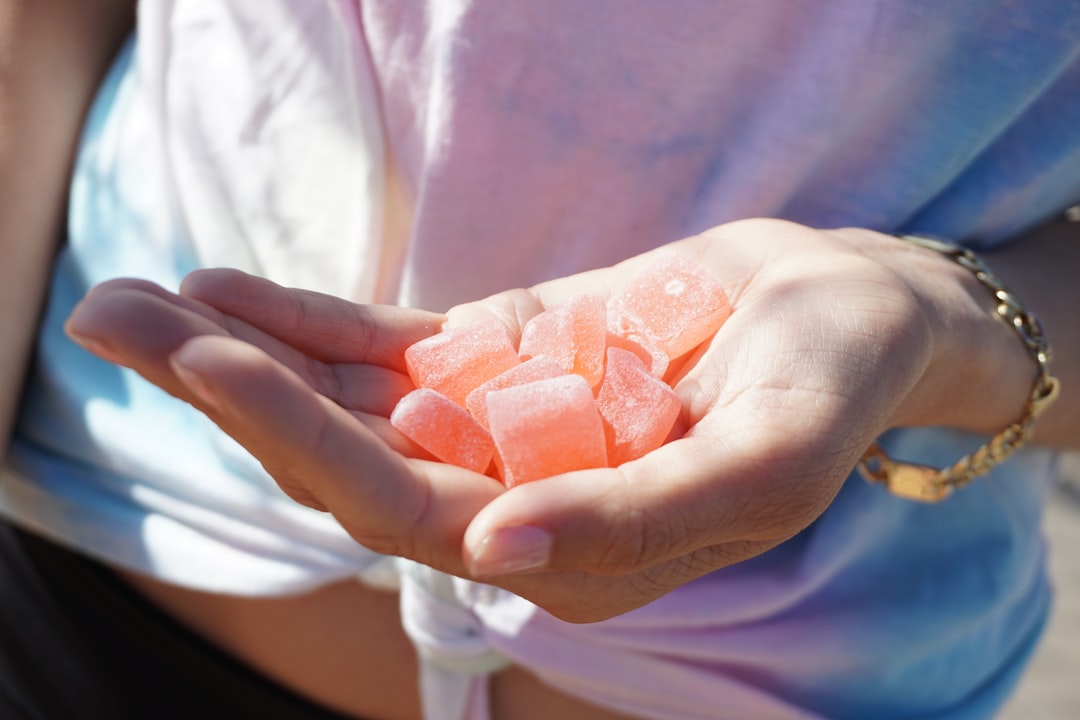
Edibles, on the other hand, are a completely different story. These are food items infused with cannabis, like brownies or gummies. They take longer to take effect—sometimes up to two hours—because they have to pass through your digestive system first. The high from edibles can last much longer than smoking, sometimes up to eight hours, so dosing is very important. Start low, go slow. It's easy to overdo it if you're not careful.
Then there are concentrates. These are products made by extracting cannabinoids from the plant. They come in forms like oils, waxes, and shatters. Concentrates are potent, sometimes containing up to 80% THC. They're not for beginners, that's for sure. But they can be very effective for those who need strong relief, like medical patients dealing with severe pain.
Key Points to Remember:
Understanding these differences is crucial. Picking the wrong form can lead to an uncomfortable experience, or worse, turn you off cannabis entirely. So, take the time to learn. Ask questions. Know what you're getting into, and you'll be much happier with your choice.
When you're looking at cannabis products, you'll often hear about THC and CBD. These are two of the main compounds found in cannabis. They both have different effects and benefits, which is why understanding their differences is key when choosing the right product for you. THC, or tetrahydrocannabinol, is what gives you the 'high'. It's psychoactive, meaning it affects your mind and mood. People often use it for recreational purposes, but it also has medical benefits like pain relief and appetite stimulation.
CBD, or cannabidiol, on the other hand, doesn't make you feel high. It's non-psychoactive. Many people are turning to CBD for its potential health benefits, which include reducing anxiety, inflammation, and even seizures in some cases. It's popular among those who want relief without the mind-altering effects of THC.
Now, here's where it gets interesting. Some products contain both THC and CBD, and the balance between them can affect how you feel. A higher THC content might be more suitable for someone looking for strong pain relief or relaxation, but it could be overwhelming for a first-time user. A product with more CBD might be better if you're seeking therapeutic effects without any buzz.
Mistakes happen when people don’t consider these differences. They might pick a product with too much THC and end up feeling anxious or paranoid, especially if they're new to cannabis. So, taking the time to understand these compounds can make a big difference in your experience. It's about finding the right balance for your needs and comfort level.
Understanding the right dosage of cannabis is crucial for a safe and enjoyable experience. Starting low and going slow is the golden rule. If you're new to cannabis, begin with a low dose, especially with edibles, because they can take a while to kick in—sometimes up to two hours. Rushing to take more can lead to discomfort or even anxiety. For inhaled products like smoking or vaping, effects are felt much quicker, often within minutes, so it's easier to gauge when you've had enough.
Key Points to Remember:
For medical cannabis patients, consulting a healthcare provider is key. They can help tailor dosages to specific medical conditions, ensuring that you're using cannabis effectively for your health needs. Recreational users should also consider their tolerance levels, which can vary wildly from person to person. It's not a one-size-fits-all situation. Factors like body weight, metabolism, and personal sensitivity play a role in how cannabis affects you.
Keep an eye out for common pitfalls. Some make the mistake of mixing cannabis with alcohol or other substances, which can amplify effects unpredictably. Stick to one thing at a time to better understand how it affects you. And remember, different strains have different potencies and effects, so read labels carefully and ask questions when in doubt. If you don't get it right, you might feel overly sedated or anxious, which is not fun and can put you off trying cannabis again. So, take your time, be patient, and get to know what works for you. A dispensary in Santa Rosa CA can make cannabis shopping feel simple, legal, and much less confusing than trying to pick a wine in Sonoma County without pretending you know what “notes of stone fruit” means. This isn't just about getting high; it's about having a good experience.
When you're buying cannabis, especially in a place like Santa Rosa, CA, you want to make sure you're getting a safe and quality product. First thing, check if the product is from a licensed dispensary.
Look at the packaging. It should have a label with details like THC and CBD content. Also, check for a batch number and test date. This info tells you the product's been tested and helps track it back to the source if there's ever an issue. It’s like a safety net.
Also, don't skip over the compliance checks. These ensure the product meets state standards. In California, products must pass lab tests before they hit the shelves. If a product doesn't have lab results available, think twice. It might not be worth the risk.
Key Points to Consider:
Another thing, be wary of products with super low prices. Sometimes, you get what you pay for. Cheap products might not meet safety standards. Always prioritize quality over price.
And remember, if you're ever unsure, ask questions. Dispensary staff are there to help. They can provide info on how the product was tested and what to look out for. Don't just grab what's trendy or what your friend likes. Make sure it's safe and right for you.
Finding trustworthy dispensaries and product suppliers in Santa Rosa, CA, is crucial for a safe and satisfying cannabis experience. Start by looking for licensed dispensaries. California requires dispensaries to have a valid state license, which you can verify through the Bureau of Cannabis Control's online database. This ensures the establishment complies with state regulations, which is a must for quality and safety.
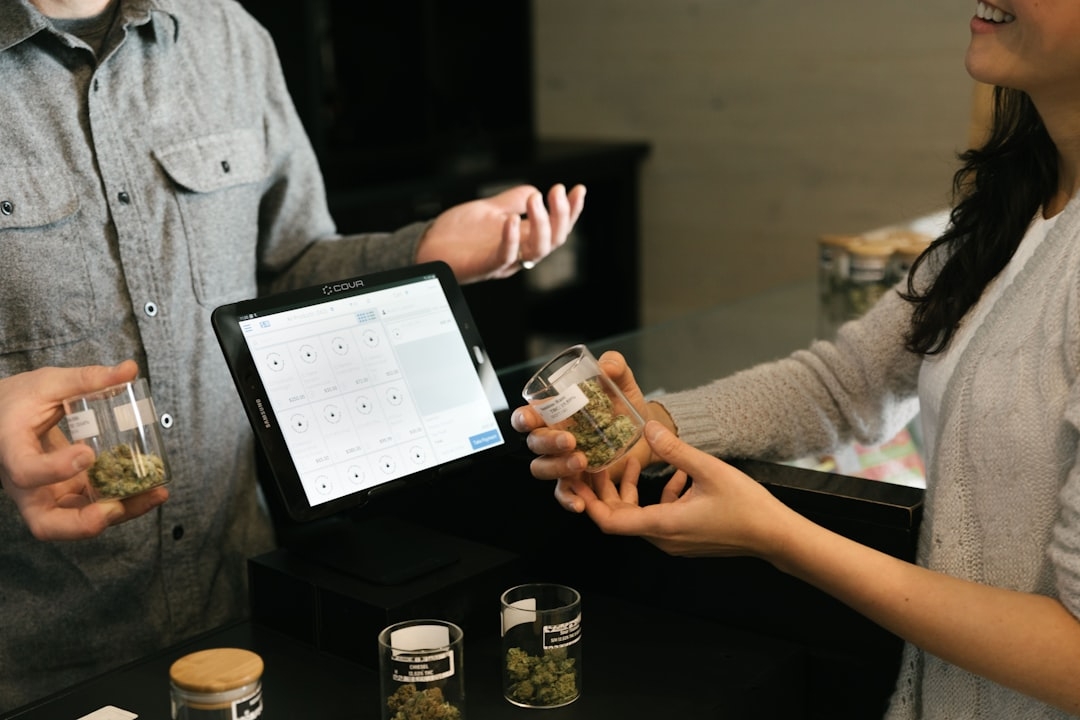
Next, consider the staff. Knowledgeable staff can make a world of difference. They should be able to explain product details, like THC and CBD content, and suggest products based on your needs. If they can't answer your questions or seem unsure, it might be a red flag. A good dispensary will prioritize customer education, helping you understand what you're buying and how to use it responsibly.
Read reviews. Online reviews can offer insights into customer experiences. Look for comments about product quality, staff helpfulness, and the overall atmosphere of the store. But take them with a grain of salt—sometimes people have unrealistic expectations or personal biases.
Important Considerations:
Don't forget to check product sourcing. Reputable dispensaries will have information on where and how their cannabis is grown and processed. This transparency is key because it affects the quality and safety of the products. If a dispensary can't provide this information, it might be best to look elsewhere.
Finally, timing matters. Visit during off-peak hours if you're new to cannabis. This way, you can take your time, ask questions, and get personalized advice without feeling rushed. Making informed choices not only enhances your experience but promotes responsible consumption, which is crucial in a city like Santa Rosa, where cannabis culture is thriving.
When it comes to consuming cannabis, there are a few different methods, each with its own effects. First up, smoking. It's the most traditional way. You light it up and inhale. You feel the effects pretty fast, usually within minutes. But, it's not the best option for everyone, especially if you're concerned about lung health.
Then there's vaping. It’s kind of like smoking but with less combustion. People say it's easier on the lungs. You get the effects quickly, similar to smoking. The devices can be a bit tricky, though. Make sure you know how to use them properly to avoid any mishaps.
Edibles are another popular choice. They come in all shapes and sizes—gummies, brownies, you name it. The catch? They take longer to kick in. We're talking anywhere from 30 minutes to 2 hours. It’s easy to overdo it because of the delay. Start low and go slow, or you might find yourself in a more intense experience than you planned.
Tinctures and oils are also worth mentioning. You put a few drops under your tongue. The effects come on quicker than edibles but slower than smoking or vaping. It's a good middle ground if you want more control over your dosage.
Finally, there's topical application. Creams or lotions that you apply directly to the skin. They don't get you high but can provide localized relief, which is great for muscle pain or inflammation.
Understanding these options helps you choose what's right for you. Each method affects people differently, so it’s important to educate yourself and maybe even consult with a knowledgeable budtender if you’re unsure.
Looking for a weed dispensary in Santa Rosa CA can be a convenient way to explore adult-use cannabis options close to home. Whether you live near downtown Santa Rosa, Railroad Square, Montgomery Village, Bennett Valley, Rincon Valley, Roseland, Coffey Park, or the Sonoma County Fairgrounds, a licensed dispensary can offer helpful guidance for both beginners and experienced shoppers.
A quality dispensary in Santa Rosa CA may carry a wide selection of products for different preferences and experience levels. First-time shoppers can ask about which products may fit their comfort level. More seasoned consumers may look for products that match their preferred routine.
When choosing a recreational dispensary in Santa Rosa CA, it is important to look for regulated cannabis stores that prioritize quality control, responsible sales, and knowledgeable recommendations. Buying from a licensed Santa Rosa dispensary helps ensure that products are tested, labeled, and sold according to California cannabis rules.
Whether you are new to cannabis or already know what you like, a dispensary near me Santa Rosa can help you find a comfortable starting point. Always ask questions before buying, especially with new products. Because in Santa Rosa, confidence is useful, but accidentally eating too many gummies before dinner is not exactly a wellness plan.
The Adult Use of Marijuana Act (AUMA) (Suggestion 64) was a 2016 citizen initiative to legalize cannabis in California. The full name is the Control, Control and Tax Obligation Grownup Use of Marijuana Act. The effort passed with 57% citizen approval and ended up being legislation on November 9, 2016, bring about recreational marijuana sales in California by January 2018.
.A marijuana retail outlet (likewise called cannabis shop, marijuana dispensary, cannabis shop, marijuana cooperative) is an area at which marijuana is sold or otherwise gave, either for leisure or for medical use. Due to the complicated legal routines surrounding cannabis, marijuana shops have various names and modalities depending upon the territory. In the Netherlands these are called "coffeeshops". In the USA they exist as electrical outlets usually called dispensaries for both entertainment and medical use. In other territories like Malta, Spain, Uruguay, Germany, cannabis dispensation takes place in marijuana social clubs, legitimately ruled out as a retail shop yet as charitable cooperatives. Lastly, there are various other types of cannabis shops like Bhang stores in India and speculative marijuana dispensation systems in Switzerland. Cannabis shops vary from head stores in that the latter sells only drug stuffs. The world's biggest cannabis dispensary is in Las Vegas, Nevada, at 112,000 square feet opened up by World 13 Holdings.
.Marijuana in The golden state is prohibited under United States federal legislation, yet legally sanctioned for clinical usage considering that 1996 and for leisure use given that late 2016 under California legislation. The state of California has gone to the forefront of efforts to liberalize marijuana legislations in the United States, starting in 1972 with the country's initial ballot campaign trying to legislate cannabis (Proposal 19). Although it was not successful, The golden state would later end up being the very first state to legislate medical marijuana through the Compassionate Usage Act of 1996 (Proposition 215), which passed with 56% voter authorization. In November 2016, California citizens authorized the Grownup Use Marijuana Act (Proposition 64) with 57% of the vote, which legalized the recreational use of marijuana. As a result of leisure legalisation, local governments (city and region) might not prohibit grownups from growing, utilizing, or delivering marijuana for individual usage. Industrial activities can be managed or prohibited by city governments although deliveries can not be forbidden. Complying with recreational legalization, existing growers and vendors of medical marijuana were required to sign up, abide by regulations, and request licenses. Over fifty percent of the not-for-profit dispensaries lawfully providing clinical cannabis shut. Regional agencies have been slow to accept retail stores marketing marijuana for leisure purposes with most cities and counties prohibiting retail with a delay and see technique. Lots of existing cultivators have been sluggish to get authorizations as it has actually been approximated that 60 percent or even more of all marijuana eaten in the United States comes from north California. The export of marijuana to other states remains unlawful considering that the U. S. Medicine Enforcement Management considers it an Arrange I medicine. Decreasing unlawful task is considered essential for the success of lawful procedures who pay the substantial taxes analyzed by state and local authorities. Lots of people do not have neighboring retail stores offering cannabis and remain to purchase from unlicensed vendors. Prohibited expanding continues in remote rural areas. Raids and confiscation by law enforcement of prohibited retail and grow operations have actually proceeded and in some cases tipped up after legalization. California's major regulative firms were originally the Bureau of Marijuana Control (BCC), Department of Food and Agriculture, and Department of Public Wellness. Their obligations were merged under the Division of Cannabis Control in 2021.
.Marijuana dispensaries in the United States or cannabis dispensaries are a kind of cannabis retail electrical outlet, local government-regulated physical place, usually inside a retail store front or office complex, in which a person can buy marijuana and cannabis-related products for clinical or leisure usage. First designed in Amsterdam in the late 1970s where they were innocently called coffeeshops, it would take the Americans greater than a generation to effectively replicate the idea of a retail cannabis storefront. Unlike in the Dutch coffeehouse, today most dispensaries do not allow for the cigarette smoking or various other intake of marijuana. Nonetheless, some dispensaries (such as some in California) do have legal consent to establish "cannabars" to allow onsite intake. In a standard clinical marijuana dispensary store a client gets cannabis medication as allowed per the patient's medical professional's referral. These dispensaries sell cannabis items that have actually not been approved by the FDA and are not legally registered with the federal government. As of 2021 there are state-regulated cannabis dispensaries in Alaska, Arizona, Arkansas, California, Colorado, Connecticut, the District of Columbia, Delaware, Florida, Hawaii, Illinois, Louisiana, Maine, Maryland, Massachusetts, Michigan, Minnesota, Missouri, Montana, Nevada, New Hampshire, New Jacket, New Mexico, New York City, North Dakota, Ohio, Oklahoma, Oregon, Pennsylvania, Rhode Island, Utah, Vermont, Virginia, and Washington. In California, Native American pc gaming operations are likewise planned to consist of dispensaries going forward. A marijuana dispensary varies from comparable retailers known as head shops, because only state-licensed cannabis dispensaries are accredited to sell cannabis. About 14 US States have drive thru capacities. These states include; California, Colorado, Illinois, Maryland, Michigan, Missouri, Nevada, New Jacket, Pennsylvania, Ohio, Oklahoma, Oregon, Utah, and Washington
.Great service. Alex and Melissa really went the extra mile. Even right before closing they took the time to help me out. Also great prices and major selection.
One of the coolest dispensaries I’ve ever been to. It’s very clean inside and all the staff are incredibly friendly. Melissa helped me today and was so friendly and welcoming. Definitely coming back here again and again
Bryan is the best worker he got all my stuff together quick. Very cute place,very organized. Great place for everybody. YUHHHHHH
For my first time in… Bryan really hooked it up with the knowledge behind the counter. I told him what I liked and he showed me the way. Great prices and the taxes are included so you know what you’re paying.