When choosing a cannabis dispensary, customer education is crucial. You want a place that doesn’t just sell products but also educates you about them. Why? Because understanding what you're buying helps you make better choices, whether you're looking for recreational use or medical relief. A well-informed consumer is a satisfied consumer. It's important to check if the dispensary offers clear, accurate information about their products. This means knowing the difference between indica and sativa, THC and CBD levels, and how these might affect you. Good dispensaries often have knowledgeable staff who can answer your questions and guide you based on your needs.
Look for dispensaries that offer workshops or informational sessions. These can be extremely helpful, especially if you're new to cannabis or trying to navigate medical options. They might cover topics like dosing, consumption methods, or even how to read product labels. This kind of educational support shows that the dispensary cares about responsible consumption.
A common mistake people make is assuming all dispensaries are the same. They're not. Some places just want to make a sale, while others invest in your understanding and well-being. If you skip the education part, you might end up with a product that doesn’t suit your needs or, worse, doesn’t comply with legal standards. This is especially crucial in places like Santa Rosa, where regulations are strict. So, take the time to find a dispensary that prioritizes education. It makes a difference in your overall experience and ensures you're consuming cannabis safely and responsibly.
Understanding strain differences is crucial when selecting cannabis products. Strains are typically categorized into three main types: indica, sativa, and hybrid. Each type can produce different effects, from relaxation and sleepiness to energy and focus. Knowing the strain can help users choose products that align with their needs, whether for medical relief or recreational enjoyment. Mistakes in choosing the wrong strain can lead to undesirable effects, like feeling too sedated when you need to be alert, or vice versa.
THC and CBD are two primary cannabinoids found in cannabis, and they have distinct effects. THC is known for its psychoactive properties, causing the "high" associated with cannabis use. CBD, however, is non-psychoactive and often used for its potential therapeutic benefits, like reducing anxiety and inflammation. It's important for consumers to understand the balance between these compounds in products, as it influences both the experience and the potential health benefits. Incorrect assumptions about these effects can lead to unexpected experiences.
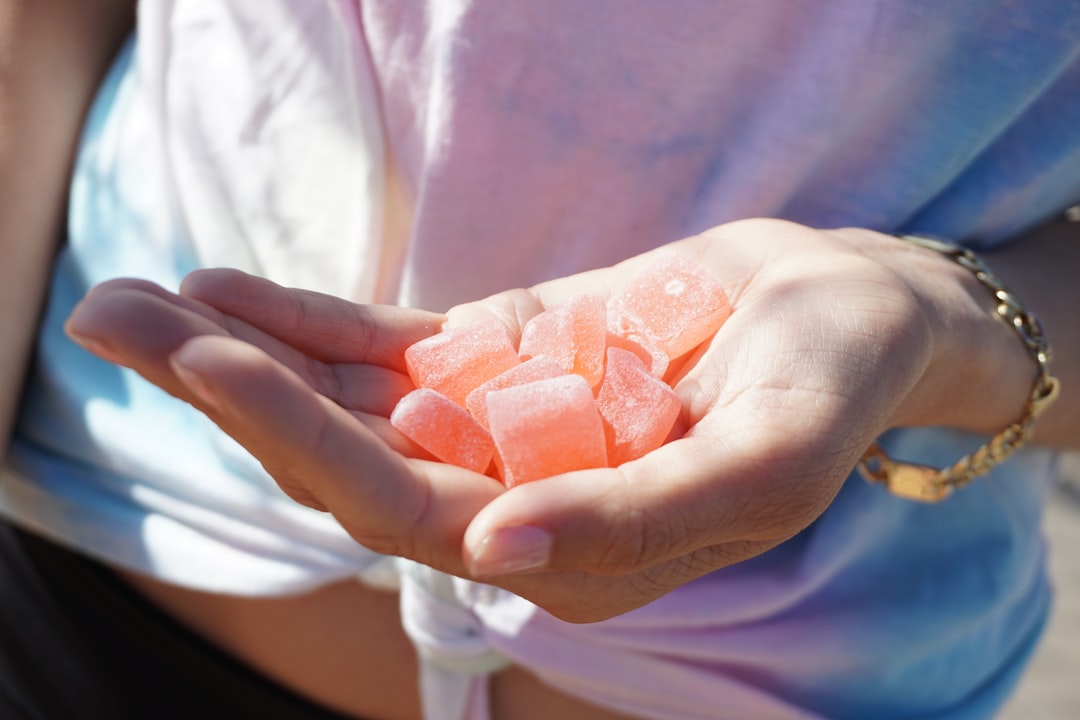
The method of consumption greatly affects the onset and duration of cannabis effects. Smoking or vaping typically results in quicker effects, while edibles take longer but last longer. Each method can impact the body differently, and personal preference plays a role in choosing the right one. It's vital to educate consumers about how each method works, as improper dosing, especially with edibles, can lead to overwhelming experiences. Proper education helps in avoiding these common pitfalls.
Potency refers to the strength of the cannabis product, often measured by the percentage of THC it contains. High-potency products can offer intense effects, which might be overwhelming for new users. Educating consumers about how to read potency labels helps in making informed decisions that match their tolerance levels. Without this knowledge, users might accidentally consume more than intended, leading to uncomfortable experiences. Proper understanding ensures a safe and enjoyable consumption experience.
The duration of cannabis effects can vary depending on the product and consumption method. For instance, smoking might produce effects that last a few hours, while edibles can last much longer.
When you're picking a cannabis product, it’s crucial to know what you’re getting into. First of all, safety is non-negotiable. You want to make sure the products are tested for harmful substances like pesticides, mold, or heavy metals. Check if the dispensary provides lab results or certificates of analysis. These documents should be readily available and easy to understand. If they’re not, that’s a red flag.
Legal compliance is another biggie. In Santa Rosa, or anywhere in California, dispensaries must follow strict state regulations. This means products should be clearly labeled with THC and CBD content, dosage recommendations, and a list of ingredients. If you’re unsure whether a dispensary is compliant, ask them directly. A trustworthy dispensary will have no problem explaining their compliance measures.
Now, let’s talk about customer education. It’s not just about knowing what’s in the product, but also how to use it responsibly. A good dispensary should have staff who can explain the effects of different strains or products. They should guide you on proper dosages, especially if you’re new to cannabis or using it for medical purposes. It’s easy to make mistakes here, like underestimating the effects of edibles or combining cannabis with other substances. These errors can lead to unpleasant experiences or even legal issues.
Informed customers are empowered customers. By understanding product safety and legal standards, you’re not just making a purchase; you’re making an informed decision. This knowledge enhances your experience and ensures you’re consuming cannabis safely and responsibly.
When you're checking out cannabis products, understanding their quality and potency is key. It’s not just about picking a product off the shelf; there’s a bit of homework involved. First off, look at the lab testing results. Reputable dispensaries will have these available. They tell you the THC and CBD levels, which are crucial for knowing how strong the product is and what effects you might expect.
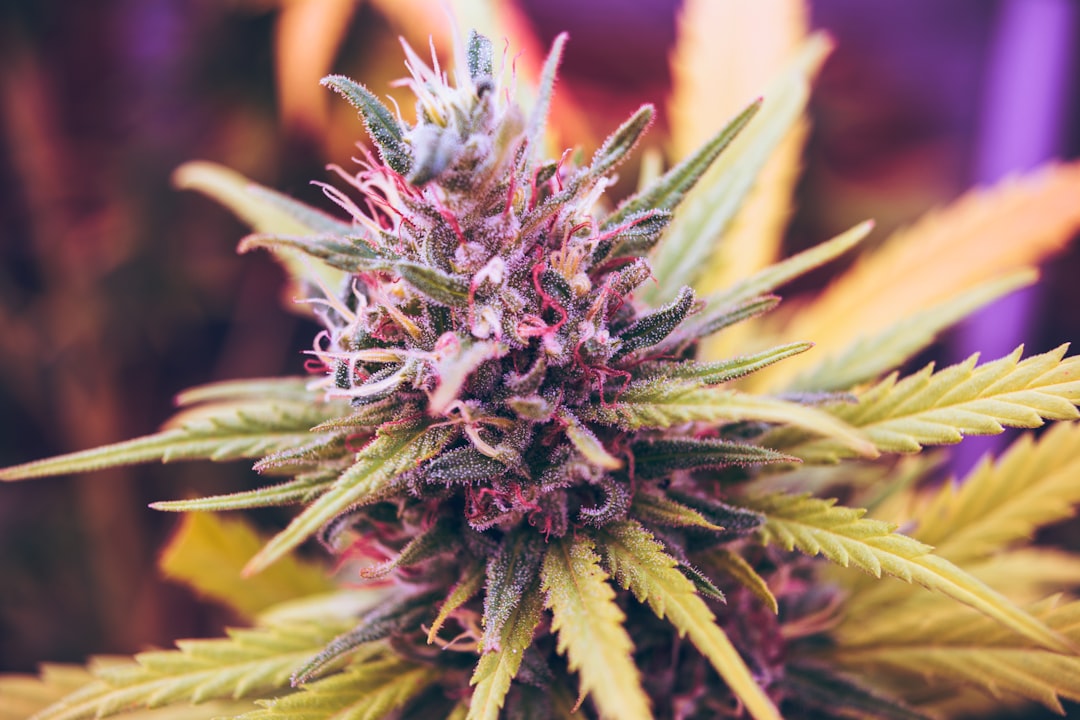
Terpenes are another thing to consider. They’re not just about flavor and aroma; they play a role in the effects too. Think of them as the unsung heroes of cannabis. Knowing which terpenes are in a product can help you choose one that aligns with your desired experience, whether it’s relaxation or focus.
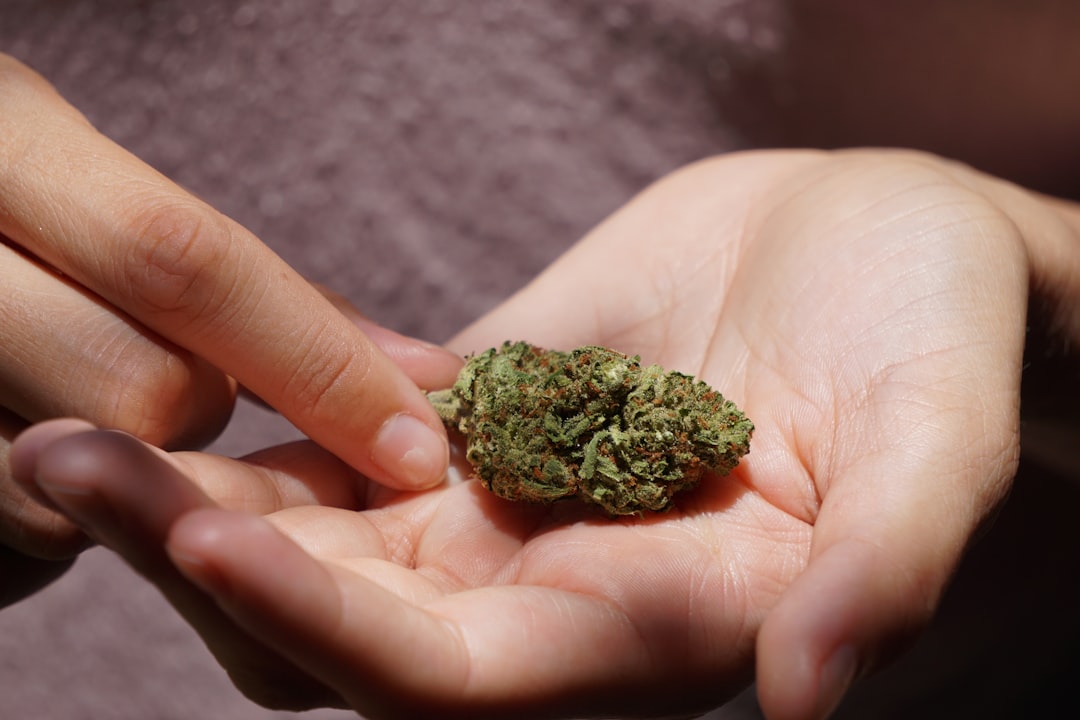
Also, examine the appearance and smell of the flower. Quality cannabis should be vibrant in color and have a rich scent. If it looks dull or smells off, it might not be fresh. Don’t overlook the texture either. Sticky and slightly spongy is what you’re aiming for, not dry and crumbly.
Be cautious about packaging and expiration dates. Cannabis isn’t like wine; it doesn’t get better with age. Expired products can lose potency and flavor.
Finally, ask questions. Dispensary staff should be knowledgeable. If they can't provide clear answers, that’s a red flag. Making informed choices not only ensures a better experience but also promotes responsible consumption. Ignoring these factors can lead to a disappointing experience or, worse, undesirable effects. So, take the time to assess these elements, and you’ll be on your way to finding the right product for your needs.
When you're looking at cannabis product labels, there's a lot more to understand than just the strain name or brand. First up, ingredients. Knowing what's in your product is crucial, especially for those with allergies or dietary restrictions. Look for labels that clearly list all components, including additives or flavorings. If the label is vague or missing this info, that's a red flag.
Next, potency. THC and CBD levels can vary wildly between products, and knowing the percentages helps you gauge the experience you're in for. Some folks want a high THC content for a stronger effect, while others might prefer more CBD for a milder experience. It's all about what works for you, so those numbers are key.
Usage instructions are another biggie. Not all cannabis products are consumed the same way. Edibles, for example, have a delayed effect compared to smoking or vaping. Labels should guide you on dosage and how long to wait before taking more. Misreading or ignoring this can lead to an unpleasant experience—either too intense or not effective at all.
A common mistake is assuming all labels are created equal. They're not. Some are more detailed, others are pretty sparse. If you can't find the info you need, ask the dispensary staff. They should be knowledgeable and ready to help. If they're not, maybe reconsider your options. Proper education on labeling not only enhances your experience but also promotes responsible consumption. Remember, informed choices lead to safer and more enjoyable use.
Key Points to Consider:
When you're checking out a cannabis dispensary, one key thing to focus on is how knowledgeable the staff is. Why? Because understanding what you're buying is crucial. You want to know the details about the different strains, their effects, and safe consumption practices. When a dispensary has staff that can explain this in plain language, it makes a world of difference. You should be able to ask about anything—THC levels, CBD benefits, or even the best way to store your products—and get a clear, helpful answer.
A knowledgeable staff isn't just about knowing their stuff; it's also about how they respond to your questions. Are they patient? Willing to explain things without rushing you? That's important. If they're dismissive or give you the vibe that they're just trying to sell you something quickly, that's a red flag. You want a place where they take the time to make sure you understand what you're getting into.
Common mistakes people make include not asking enough questions or feeling embarrassed to admit they don't know much. Don't fall into that trap. It's your right to get all the information you need. If a dispensary's staff can't provide that, you might end up with products that don't meet your needs or, worse, aren't safe for you.
In Santa Rosa, where cannabis laws are strict, the role of the staff becomes even more crucial. They should be up-to-date with compliance regulations to ensure you're purchasing legally and safely. If they aren't, you could face legal issues or health risks down the line. So, take the time to evaluate how responsive and informed the staff is. It can make all the difference in your cannabis experience.
When you're looking at cannabis products, especially in a place like Santa Rosa, you want to make sure you're getting good value for your money. It's not just about picking the cheapest option. It's about understanding what you're paying for. Let's break it down. First, consider the cannabinoid content. Higher THC or CBD levels might mean paying a bit more, but it can also mean you need less product to achieve the desired effects. So, sometimes a higher price might actually be more cost-effective in the long run.
Next, think about the form of the product. Flowers, edibles, tinctures—they all have different onset times and potency. Edibles might take longer to kick in but can offer longer-lasting effects, which could be more economical depending on your needs. Be aware that some people make the mistake of not considering these factors and end up spending more than necessary or not getting the experience they were hoping for.
Key Considerations:
Another thing to look at is the brand reputation and product sourcing. Products that are lab-tested and come from reputable sources are generally safer and more reliable. Yes, they might cost more upfront, but they provide peace of mind and a consistent experience, reducing the chances of unexpected side effects.
Finally, check if the dispensary offers any educational resources. Many places in Santa Rosa have staff trained to help you understand what you're buying, which can be invaluable. If you skip this step, you might end up with a product that doesn't meet your needs, essentially wasting money. So, take the time to ask questions and learn. It might just save you in the end.
Looking for a weed dispensary in Santa Rosa CA can be a simple way to explore legal cannabis products close to home. Across Santa Rosa and nearby Sonoma County communities, a licensed dispensary can offer a safer and more informed shopping experience.
A quality dispensary in Santa Rosa CA may carry flower, pre-rolls, edibles, vapes, tinctures, concentrates, and topicals. New cannabis consumers can ask about how edibles work, how strong a product may be, and how long effects can last. Experienced customers may look for products that match their preferred routine.
When choosing a legal weed dispensary Santa Rosa CA, it is important to look for licensed retailers that prioritize quality control, responsible sales, and knowledgeable recommendations. Buying from a licensed Santa Rosa dispensary helps ensure that products are tested, labeled, and sold according to California cannabis rules.
Whether you are curious about edibles, interested in flower, or looking for a discreet vape option, a dispensary near me Santa Rosa can help you find a comfortable starting point. Always start low and go slow, especially with anything unfamiliar. Because in Santa Rosa, confidence is useful, but accidentally eating too many gummies before dinner is a lesson you only need once.
The Adult Use Cannabis Act (AUMA) (Proposal 64) was a 2016 voter initiative to legislate marijuana in California. The complete name is the Control, Manage and Tax Obligation Adult Use of Marijuana Act. The initiative passed with 57% citizen authorization and became regulation on November 9, 2016, causing entertainment marijuana sales in The golden state by January 2018.
.A marijuana retail outlet (also known as cannabis shop, marijuana dispensary, cannabis shop, cannabis cooperative) is an area at which marijuana is marketed or otherwise dispensed, either for recreational or for medical use. Because of the intricate legal programs bordering cannabis, cannabis stores have various names and techniques depending upon the jurisdiction. In the Netherlands these are called "coffeeshops". In the United States they exist as electrical outlets often called dispensaries for both recreational and medical use. In other territories like Malta, Spain, Uruguay, Germany, marijuana dispensation happens in cannabis social clubs, lawfully not considered as a retail store but as non-profit cooperatives. Finally, there are other types of cannabis shops like Bhang shops in India and experimental marijuana dispensation systems in Switzerland. Marijuana stores differ from head shops in that the last sells only medication stuffs. The world's largest marijuana dispensary is in Las Vegas, Nevada, at 112,000 square feet opened by World 13 Holdings.
.Marijuana dispensaries in the USA or marijuana dispensaries are a type of marijuana retail electrical outlet, neighborhood government-regulated physical location, generally inside a retail shop or office building, in which an individual can buy marijuana and cannabis-related things for medical or recreational use. First designed in Amsterdam in the late 1970s where they were innocently called coffeeshops, it would certainly take the Americans greater than a generation to successfully replicate the idea of a retail marijuana store front. Unlike in the Dutch coffee bar, today most dispensaries do not permit the smoking cigarettes or other usage of marijuana. Nevertheless, some dispensaries (such as some in California) do have lawful approval to establish "cannabars" to permit onsite consumption. In a traditional medical marijuana dispensary store a patient obtains marijuana drug as allowed per the patient's medical professional's recommendation. These dispensaries sell cannabis products that have not been accepted by the FDA and are not legally registered with the federal government. Since 2021 there are state-regulated cannabis dispensaries in Alaska, Arizona, Arkansas, The Golden State, Colorado, Connecticut, the Area of Columbia, Delaware, Florida, Hawaii, Illinois, Louisiana, Maine, Maryland, Massachusetts, Michigan, Minnesota, Missouri, Montana, Nevada, New Hampshire, New Jacket, New Mexico, New York, North Dakota, Ohio, Oklahoma, Oregon, Pennsylvania, Rhode Island, Utah, Vermont, Virginia, and Washington. In California, Indigenous American pc gaming procedures are also intended to consist of dispensaries moving forward. A cannabis dispensary varies from comparable retail stores referred to as head shops, in that just state-licensed cannabis dispensaries are authorized to market marijuana. Approximately 14 United States States have drive thru capabilities. These states include; The golden state, Colorado, Illinois, Maryland, Michigan, Missouri, Nevada, New Jersey, Pennsylvania, Ohio, Oklahoma, Oregon, Utah, and Washington
.Marijuana in The golden state is prohibited under USA government regulation, yet lawfully sanctioned for clinical use considering that 1996 and for leisure usage since late 2016 under The golden state law. The state of California has gone to the forefront of initiatives to liberalize marijuana laws in the USA, beginning in 1972 with the country's very first tally effort attempting to legislate marijuana (Proposal 19). Although it was not successful, The golden state would certainly later come to be the first state to legislate medical cannabis via the Compassionate Usage Act of 1996 (Suggestion 215), which passed with 56% citizen authorization. In November 2016, The golden state voters approved the Adult Use Marijuana Act (Proposition 64) with 57% of the vote, which legislated the recreational use marijuana. As a result of leisure legalisation, local governments (city and area) might not restrict grownups from expanding, making use of, or transporting cannabis for personal usage. Business tasks can be controlled or banned by local governments although deliveries can not be restricted. Following recreational legalisation, existing growers and suppliers of medical cannabis were required to sign up, follow laws, and get authorizations. Over fifty percent of the not-for-profit dispensaries legitimately offering clinical marijuana closed. Neighborhood agencies have been slow to accept retail stores selling marijuana for entertainment objectives with a lot of cities and areas banning retail with a wait and see method. Several existing growers have been slow to apply for licenses as it has been estimated that 60 percent or more of all marijuana eaten in the USA comes from northern California. The export of cannabis to other states remains unlawful considering that the U. S. Medicine Enforcement Management considers it an Arrange I drug. Decreasing unlawful activity is considered vital for the success of legal operations who pay the significant tax obligations evaluated by state and regional authorities. Lots of people do not have neighboring retailers marketing cannabis and remain to buy from unlicensed vendors. Prohibited expanding continues in remote backwoods. Raids and confiscation by police of illegal retail and grow operations have continued and in many cases tipped up after legalisation. California's main regulatory agencies were initially the Bureau of Marijuana Control (BCC), Division of Food and Agriculture, and Division of Public Health And Wellness. Their duties were merged under the Department of Cannabis Control in 2021.
.Great service. Alex and Melissa really went the extra mile. Even right before closing they took the time to help me out. Also great prices and major selection.
One of the coolest dispensaries I’ve ever been to. It’s very clean inside and all the staff are incredibly friendly. Melissa helped me today and was so friendly and welcoming. Definitely coming back here again and again
Bryan is the best worker he got all my stuff together quick. Very cute place,very organized. Great place for everybody. YUHHHHHH
For my first time in… Bryan really hooked it up with the knowledge behind the counter. I told him what I liked and he showed me the way. Great prices and the taxes are included so you know what you’re paying.