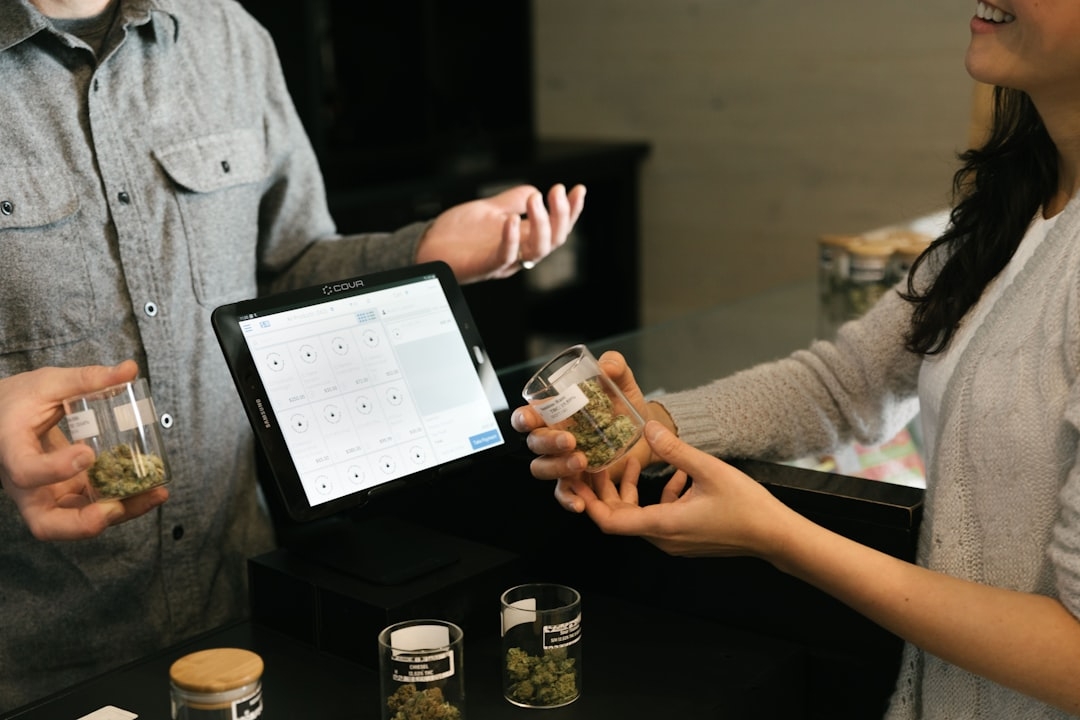
Key Performance Indicators, or KPIs, are essential tools for dispensaries in San Jose to measure success and compliance. Why do they matter? Well, in a regulated market like cannabis, tracking performance isn't just about profits. It's about staying compliant with local laws, ensuring customer satisfaction, and maintaining product quality. Dispensaries use KPIs to monitor sales trends, inventory levels, and customer feedback, among other things.
Key Points about KPIs:
For instance, a common KPI might be the average transaction value. Knowing this helps dispensaries understand customer purchasing habits and how promotions might influence sales. You can shop a wide selection of cannabis products at local dispensaries in San Jose today. Another critical KPI is inventory turnover rate. This tells you how quickly products sell, which is crucial for managing stock and avoiding expired goods. If you're not keeping an eye on these numbers, you're flying blind.
Mistakes? They're easy to make. Like focusing too much on revenue without considering other factors like customer satisfaction or regulatory compliance. Ignoring these can lead to fines or a damaged reputation. And let's not forget the importance of staff training KPIs. Well-trained staff ensure that customers receive accurate information about products, which is vital in a field where safety and compliance are top priorities.
In short, KPIs provide a roadmap for dispensaries to navigate the complex landscape of San Jose's cannabis regulations. They help in making informed decisions and avoiding pitfalls that could lead to non-compliance or financial loss. Not using them is like trying to find your way in the dark.
San Jose dispensaries need to keep a close eye on how well they're sticking to cannabis regulations. We're talking about both local and state rules here. This is where Key Performance Indicators, or KPIs, come into play. They help dispensaries measure how compliant they are. These aren't just numbers on a page; they're a way to avoid hefty fines or even losing a license.
One important KPI is the accuracy of inventory tracking. California law requires dispensaries to track every gram of cannabis, from the moment it arrives to the point it leaves with a customer. Slip up on this, and you're looking at compliance issues. Another KPI to focus on is employee training. Employees must be trained on the latest regulations and safety protocols. Without proper training, the risk of non-compliance shoots up.
Testing and labeling are also critical KPIs. Products need to be tested and labeled correctly to ensure they meet safety standards. If a dispensary fails to do this, it can lead to public safety concerns and regulatory penalties. Then there's customer verification. Dispensaries must verify that customers are of legal age and, if applicable, have a valid medical cannabis card. Failing here can lead to severe consequences.
Key Points to Remember:
In San Jose, regular audits are a part of life for dispensaries. These audits check if you're following all the regulations. If a dispensary's KPIs show they're not up to par, they need to fix things fast. Otherwise, they risk getting shut down. So, keeping an eye on these KPIs isn't just a good idea—it's a necessity for staying in business.
Average transaction value is a crucial KPI for dispensaries in San Jose. It helps measure the effectiveness of sales strategies and customer engagement. By tracking this metric, dispensaries can identify purchasing trends and optimize product offerings. A higher average transaction value indicates successful upselling or bundling strategies. If not monitored, businesses might miss opportunities to enhance revenue per customer. Regular analysis ensures that pricing strategies remain competitive and aligned with consumer expectations.
Monitoring revenue growth is essential for assessing the financial health of a dispensary. It provides insights into the effectiveness of marketing efforts and customer retention strategies. A steady increase in revenue signifies a growing customer base and successful product offerings. Conversely, stagnant or declining revenue could indicate issues with customer loyalty or market competition. Regularly reviewing revenue growth helps businesses make informed decisions about investments and expansions.
Customer retention rates are vital for sustainable growth in the competitive cannabis market.
Sales conversion rates help dispensaries understand the effectiveness of their sales processes. This metric shows the percentage of visitors who make a purchase, reflecting the success of marketing and sales tactics. High conversion rates suggest that the dispensary is effectively meeting customer needs. Low rates may indicate issues with product offerings or customer service. Regular analysis of conversion rates can guide improvements in sales strategies and staff training.
Inventory turnover measures how quickly products are sold and replaced, impacting cash flow and profitability. A high turnover rate suggests efficient inventory management and strong demand for products. Low turnover might indicate overstocking or products that don't resonate with customers. Monitoring this KPI helps dispensaries optimize inventory levels and reduce waste. It ensures that the product mix aligns with consumer preferences and market trends.
For dispensaries in San Jose, understanding and measuring customer satisfaction is crucial. The Net Promoter Score (NPS) is one way to get a handle on how customers feel about their experience. It's a simple question: "How likely are you to recommend us to a friend?" Answers range from 0 to 10, and it's a quick way to find out who's a promoter, passive, or detractor. Why does this matter? Well, it gives you a snapshot of customer loyalty and satisfaction. If your NPS is low, it might signal that changes are needed to improve the customer experience.
So, stay vigilant. Regularly check these KPIs. Use them as a guide to tweak operations when necessary. Dispensaries that pay attention to customer experience metrics often find themselves ahead of the competition.
Another important KPI to keep an eye on is the repeat customer rate. This tells you how many people are coming back after their first visit. A high repeat rate usually means you're doing something right—good products, good service, or maybe both. It's a direct reflection of customer satisfaction and trust.
But measuring these KPIs isn't just about collecting data. It's about using that data to make informed decisions. If you notice a drop in your NPS or repeat customer rate, dig deeper. Maybe the staff isn't as attentive as they could be, or perhaps the product selection isn't hitting the mark. Ignoring these metrics can lead to a slow decline in customer loyalty and ultimately, sales.

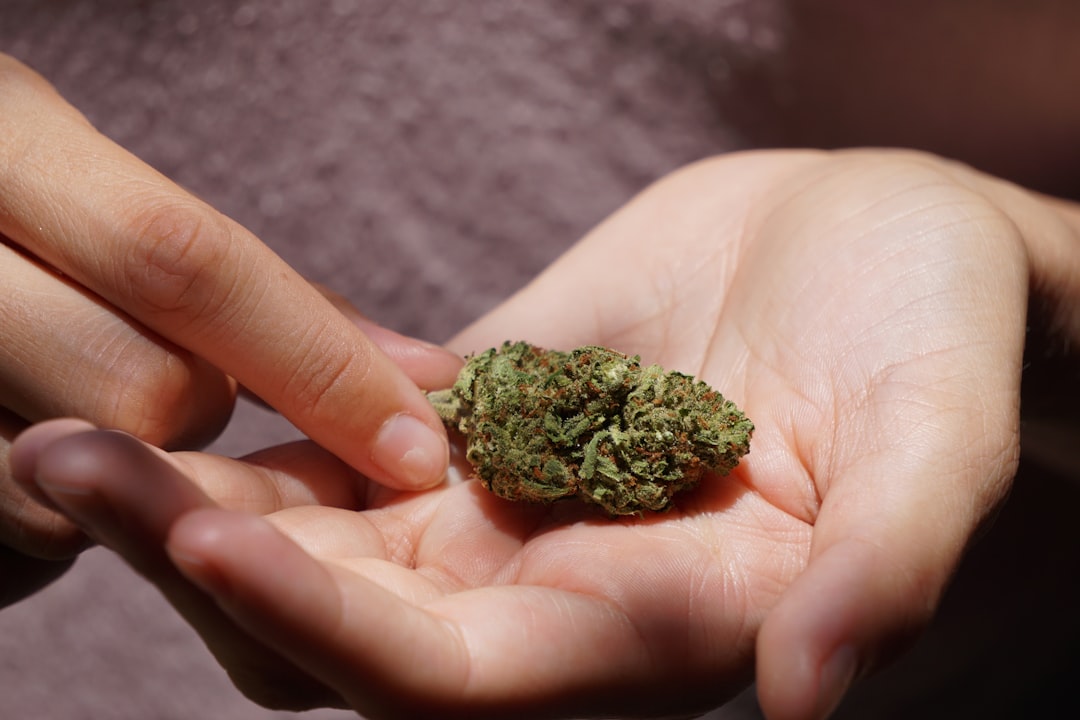
In San Jose, dispensaries need to stick to a bunch of rules to keep cannabis products safe and high-quality. Key Performance Indicators, or KPIs, are like the checkpoints along this road. These KPIs are crucial because they help ensure that dispensaries are not just selling cannabis but doing it responsibly. For starters, testing for pesticides and contaminants is a big deal. If a dispensary isn't keeping track of this, they risk selling products that could be harmful. And nobody wants that.
Another KPI to focus on is product labeling. In San Jose, labels need to be clear about what’s in the product—THC content, CBD levels, and other active ingredients. If dispensaries aren't accurate here, consumers won't know what they're buying, and that can lead to all sorts of issues, like overdosing or not getting the desired effects. Plus, accurate labeling is a legal requirement, so messing this up could lead to fines or even losing a license.
Inventory management is another KPI worth its weight in gold. Dispensaries need to track what comes in and goes out. Not just for business reasons, but to ensure expired products aren't being sold. If a dispensary slips up here, it could sell outdated or ineffective products, which is a big no-no.
Lastly, customer feedback is a KPI that shouldn’t be ignored. It’s a real-world gauge of product quality and safety. If people are complaining about a product, that’s a red flag that something might be off. Dispensaries need to listen and make changes accordingly. Ignoring feedback can lead to a bad reputation and lost customers. In the end, KPIs are not just numbers; they're a way to keep things safe and legit in the cannabis world.
When it comes to running a dispensary in San Jose, understanding the key performance indicators (KPIs) can make a significant difference. Let’s talk about inventory turnover first. This is essentially how fast you’re selling your stock and restocking. You want a high turnover rate because it means products are moving quickly, which is beneficial. It helps keep things fresh, both literally and figuratively. If your turnover is low, it might mean you're overstocking or not stocking the right products. You need to monitor what sells and adjust your inventory accordingly.
Supply chain efficiency is another major factor. How fast can you get your hands on products once you know you need them? If there’s a delay, that can affect your stock levels and, ultimately, your sales. You’ll want to work with reliable suppliers who can deliver on time. Make sure you’re not getting caught up in bureaucratic holdups or logistical issues. It’s a good idea to regularly review your supply chain process and make improvements where needed.
Key Points to Consider:
Then there’s cost management. It’s not just about how much you’re spending but also how well you’re using your resources. Are you getting the best deals from your suppliers? Are you minimizing waste? If costs aren’t managed properly, profits can take a hit. Regularly reviewing your expenses and looking for areas to cut costs without affecting quality is crucial. If you ignore this, you might find yourself in financial trouble.
So, focusing on these KPIs can help keep your San Jose dispensary running smoothly and successfully. Keep track of them, make adjustments as needed, and you’ll likely see better outcomes.
When it comes to San Jose dispensaries, understanding the local regulations is crucial. But just as important are the marketing metrics that show how well a dispensary's brand is doing. These metrics help gauge if people know about the dispensary and if the marketing strategies are hitting the mark.
First, foot traffic is a big one. It’s straightforward. More people coming in usually means more sales. But it’s not just about numbers. You need to know who’s coming in. Are they new customers or regulars? Are they locals or visitors? This helps tailor marketing strategies to reach the right audience.
Next up, social media engagement. It’s not enough to just post content. Look at likes, shares, and comments. They show if people are paying attention. If nobody's engaging, then maybe it’s time to rethink what you’re putting out there.
Another metric is website traffic. Track where visitors are coming from. Are they finding you through search engines, social media, or direct visits? And once they’re on the site, what are they doing? Are they checking product pages or just bouncing off? These details help refine online marketing efforts.
Customer reviews also matter. Positive reviews can boost a brand’s reputation, while negative ones can do the opposite. Responding to reviews, good or bad, shows that a dispensary values its customers.
Finally, sales data. It’s the ultimate indicator. If marketing is effective, sales should reflect that. But if there's a drop, it might mean the marketing isn’t connecting with the audience.
In short, keeping an eye on these metrics helps dispensaries in San Jose understand their market position and make informed decisions about their marketing strategies.
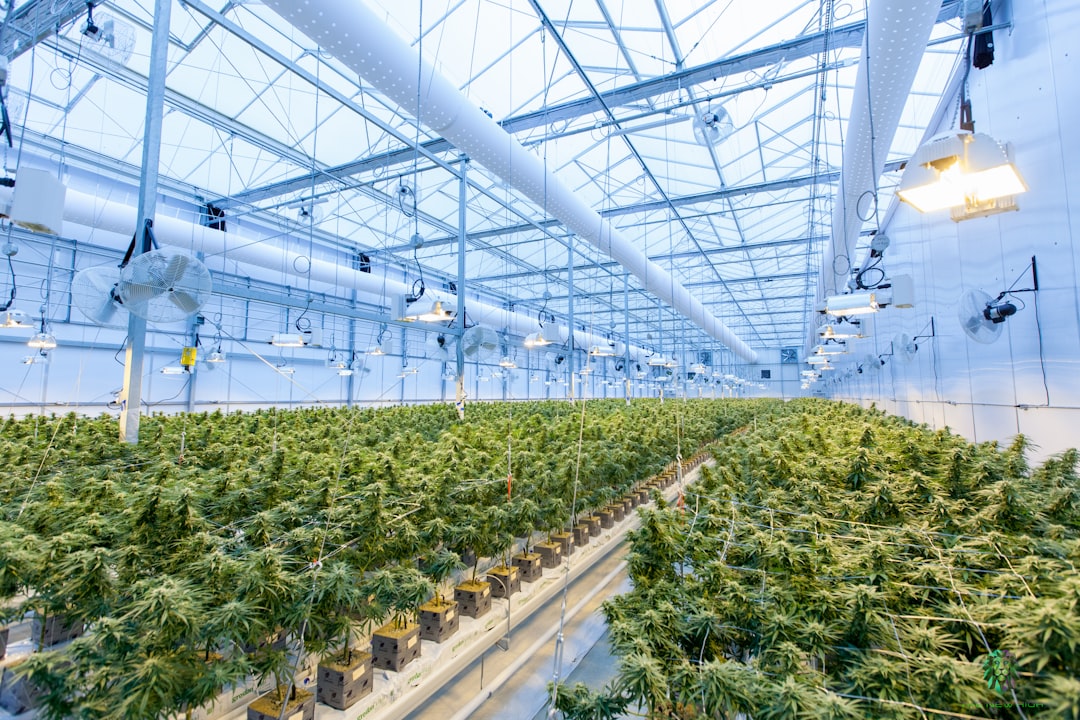
In the world of San Jose dispensaries, keeping an eye on key performance indicators (KPIs) related to staff productivity, satisfaction, and retention rates is crucial. Why? Well, these metrics help dispensary owners and managers understand the efficiency and happiness of their team, which directly impacts the business's success. Productivity can be measured by looking at sales per employee or the number of customers served in a shift. If these figures are low, it might be time to reassess training programs or shift schedules.
Employee satisfaction is another important KPI. Dispensary work can be demanding, with regulations to follow and a diverse customer base to serve. Regular surveys or feedback sessions can give insight into how employees feel about their roles. Happy employees are more likely to stay, reducing turnover and the costs associated with hiring and training new staff. Plus, satisfied workers often provide better customer service, which is crucial in this competitive market.
Retention rates are the final piece of the puzzle. High turnover can disrupt operations and affect customer experience. Monitoring these rates helps identify if there are underlying issues causing employees to leave. Maybe it's a lack of advancement opportunities or dissatisfaction with management. Addressing these concerns can improve retention, ensuring a stable, experienced team.
Neglecting these KPIs could lead to a high turnover rate, decreased morale, and ultimately, a dip in sales. Staying on top of these indicators is not just about numbers; it's about creating a workplace where employees feel valued and motivated. A marijuana dispensary San Jose customers choose should offer regulated cannabis options for adults who want clarity, safety, and fewer questionable plastic bags. This approach not only benefits the staff but also ensures that customers receive top-notch service.
In San Jose, dispensaries are not just about selling cannabis; they're a part of the community. So, what Key Performance Indicators (KPIs) should dispensaries focus on to ensure they're engaging and influencing the local community effectively? First, let's talk about community events and sponsorships. Hosting or sponsoring local events can be a great way to measure engagement. Are people attending these events? What's the feedback? This tells you a lot about how well you're connecting with the community.
Another important KPI is customer feedback. Simple, right? But super effective. Are you collecting reviews? Are they positive? Negative? This can be a goldmine of information about how your dispensary is perceived. You should also think about educational outreach. Are you offering workshops or seminars? These are crucial for helping people understand safe and compliant cannabis use. Track attendance and participation levels.
Key Areas to Monitor:
And let's not forget partnerships with local organizations. Are you collaborating with local health clinics or community groups? This can amplify your influence and show that you’re committed to the community's well-being.
Failing to track these KPIs could mean missing out on critical insights. You may think you're doing great, but if you're not measuring, how do you know?
Trying to find a dispensary in San Jose CA can be an easy way to explore legal cannabis products close to home. Whether you live near downtown San Jose, Willow Glen, Almaden, Evergreen, Berryessa, Cambrian Park, North San Jose, or West San Jose, a licensed dispensary can offer a clearer way to compare cannabis products.
A quality dispensary in San Jose CA may carry flower, pre-rolls, edibles, vapes, tinctures, concentrates, and topicals. First-time shoppers can ask about how edibles work, how strong a product may be, and how long effects can last. Regular cannabis shoppers may look for stronger options, curated brands, or more targeted effects.
Marijuana dispensaries in the USA or cannabis dispensaries are a sort of marijuana retail electrical outlet, neighborhood government-regulated physical area, generally inside a retail store front or office building, in which a person can purchase cannabis and cannabis-related products for medical or leisure usage. First modeled in Amsterdam in the late 1970s where they were innocently called coffeeshops, it would certainly take the Americans more than a generation to effectively duplicate the concept of a retail cannabis store. Unlike in the Dutch coffee shops, today most dispensaries do not allow for the smoking or various other consumption of marijuana. However, some dispensaries (such as some in California) do have lawful consent to establish "cannabars" to allow onsite consumption. In a traditional medical cannabis dispensary shop a person obtains marijuana drug as enabled per the individual's physician's recommendation. These dispensaries sell marijuana products that have actually not been authorized by the FDA and are not legitimately signed up with the federal government. Since 2021 there are state-regulated marijuana dispensaries in Alaska, Arizona, Arkansas, The Golden State, Colorado, Connecticut, the Area of Columbia, Delaware, Florida, Hawaii, Illinois, Louisiana, Maine, Maryland, Massachusetts, Michigan, Minnesota, Missouri, Montana, Nevada, New Hampshire, New Jersey, New Mexico, New York City, North Dakota, Ohio, Oklahoma, Oregon, Pennsylvania, Rhode Island, Utah, Vermont, Virginia, and Washington. In California, Indigenous American video gaming procedures are likewise planned to include dispensaries moving forward. A cannabis dispensary varies from comparable retailers called head stores, because just state-licensed marijuana dispensaries are accredited to market marijuana. Around 14 US States have drive thru abilities. These states include; The golden state, Colorado, Illinois, Maryland, Michigan, Missouri, Nevada, New Jacket, Pennsylvania, Ohio, Oklahoma, Oregon, Utah, and Washington
.