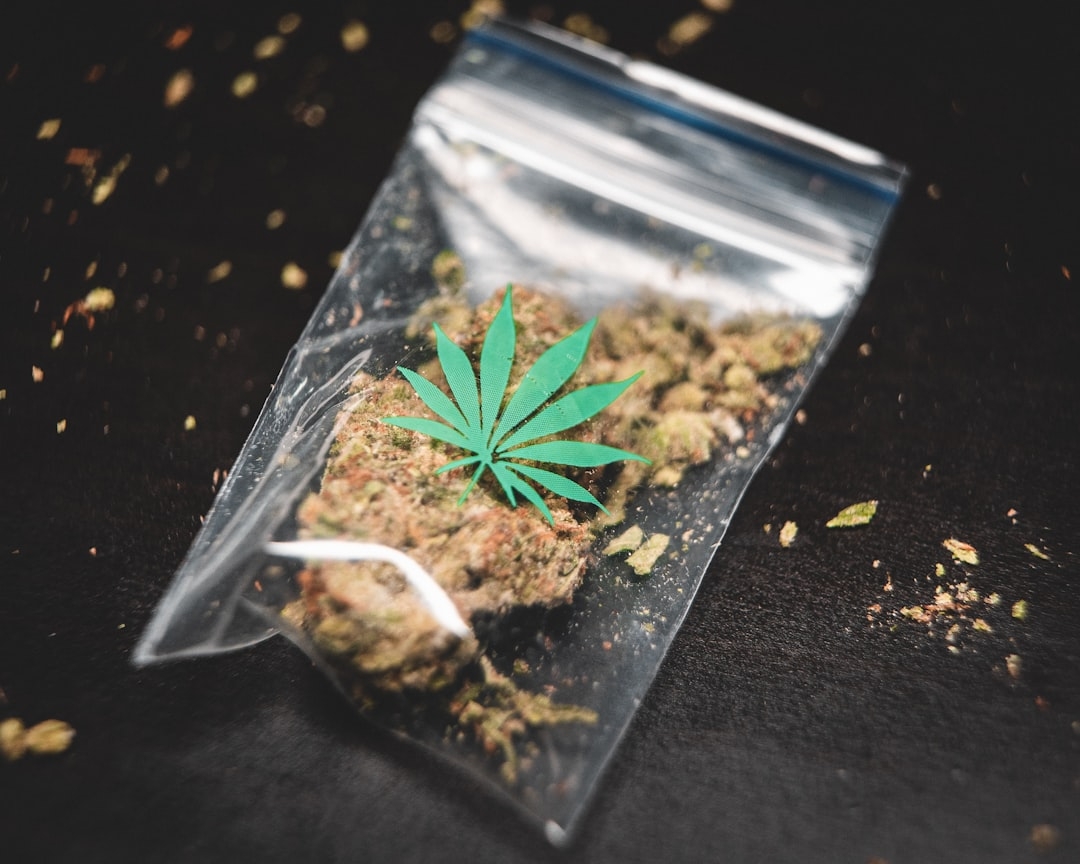
In San Jose, California, navigating the legal landscape for cannabis products is crucial. First off, adults 21 and over can legally purchase cannabis for recreational use. Medical cannabis patients must be 18 and have a valid medical recommendation. This is important. If you don't meet these age requirements, you can't buy cannabis legally. It’s as simple as that.
Now, let's talk about limits. Recreational users can purchase up to one ounce of cannabis or eight grams of concentrate. Medical patients can buy up to eight ounces. Going over these limits? That's illegal. And it can lead to fines or other legal consequences.
Next, think about where you’re buying from. Only buy from licensed dispensaries. These places have to follow strict state and local regulations to ensure product safety and quality. Unlicensed sellers? You can shop a wide selection of cannabis products at local dispensaries in San Jose today. Stay away. Their products aren’t tested or regulated, and you’re putting yourself at risk.
Also, be aware of where you can legally consume cannabis. Public spaces are a no-go. Stick to private residences. Even in your car, using cannabis is not allowed. Driving under the influence? A big mistake. It’s illegal and dangerous, just like with alcohol.
Finally, know that cannabis is still illegal under federal law. This means you can't take it across state lines. Even if you're heading to another state where it's legal. These rules might seem like a hassle, but they’re there for a reason. They keep you safe and ensure the cannabis industry operates responsibly. Always stay updated, as laws can change.
When you're picking out cannabis products, the levels of THC and CBD are key. THC is what gives you the high. CBD is more about relaxation without the buzz. But it’s not just about these two. There are other cannabinoids too. CBG, CBN, and a bunch more. Each has its own effects. Looking at the cannabinoid profile helps you know what you’re getting into. It matters because different combinations can hit differently. Some people want more THC for a stronger experience, while others might prefer higher CBD for calming effects.
You need to check the labels carefully. In San Jose, where cannabis is legal, products must have lab-tested information. That means you can see exactly what's in there. THC and CBD percentages are a starting point, but also consider the presence of minor cannabinoids. They can enhance or balance the effects. It’s all about finding what suits your needs. Whether it’s for medical reasons or just for fun.
Key Considerations:
People often make the mistake of only focusing on THC levels. Thinking higher THC means better. Not always true. You might miss out on the benefits of a well-rounded cannabinoid profile. If you ignore these details, you could end up with a product that doesn’t meet your expectations. Or worse, it could lead to an uncomfortable experience if the THC is too high for your tolerance level. So, take the time to understand what you’re buying. It’s worth it.
When selecting cannabis products, checking for contaminant testing is crucial. Labs screen for harmful substances like pesticides, mold, and heavy metals. These contaminants can seriously affect health, especially for medical users with compromised immune systems. Always look for products with lab tests that confirm they are free from these harmful substances. Skipping this step might mean exposing yourself to unwanted chemicals. It's one of the most important safety checks you can do when purchasing cannabis.
Lab verification ensures that the cannabis products you buy are tested by independent, third-party labs. This verification confirms that the information on the product label is accurate and reliable. Without proper lab verification, you might end up with products that contain different levels of THC or CBD than advertised. This can lead to unexpected effects or even legal issues if the THC level is higher than allowed. Always check for a lab verification seal before purchasing.
A Certificate of Analysis (COA) provides detailed information about the cannabis product, including cannabinoid content and any detected contaminants. This document is key to understanding what you're consuming and ensuring it meets safety standards. COAs should be easily accessible from the retailer or producer. If a product lacks a COA, it's a red flag indicating that the product might not be safe. Always request and review the COA to make informed choices.
Batch testing involves analyzing a specific batch of cannabis products to ensure consistency and safety. This process helps verify that each product meets quality standards and contains the advertised cannabinoid levels. Inconsistent batches can lead to unexpected results, which can be dangerous for users, especially those using cannabis for medical reasons. Always choose products that undergo regular batch testing to ensure you're getting a reliable product every time.
Adhering to safety standards is non-negotiable in the cannabis industry. These standards include guidelines for cultivation, processing, and packaging to prevent contamination. Products that don't meet these standards can pose serious health risks. Regulatory bodies set these standards to protect consumers, so it's vital to choose products from companies that comply with them. Ignoring safety standards can lead to purchasing unsafe products, which can have adverse effects on health and well-being.
When you're picking out cannabis products, one thing to keep an eye on is whether they have organic certifications and non-GMO labels. These labels matter because they can tell you a lot about the quality and safety of the product you're considering. Organic certifications mean that the cannabis was grown without synthetic pesticides or fertilizers, which is a big deal if you're worried about what you're putting into your body. Products with a non-GMO label guarantee that the cannabis hasn't been genetically modified, which is something a lot of folks are concerned about these days.
In San Jose, where cannabis is legal for recreational and medical use, these labels can help you make more informed choices. But here's the thing—just because a product doesn’t have these labels doesn’t necessarily mean it's bad. Sometimes smaller producers can't afford the certification process, even though their practices might be up to standard. So, it's also good to do a bit of research on the brand itself.
A common mistake people make is assuming all cannabis products are created equal. They aren't. If you skip checking for these labels, you might end up with something that has residual chemicals or other unwanted additives. That could affect not just the quality of your experience but also your health in the long run. So, it’s worth taking a few extra minutes to look for these certifications. Trust me, it can make a difference in what you’re getting.
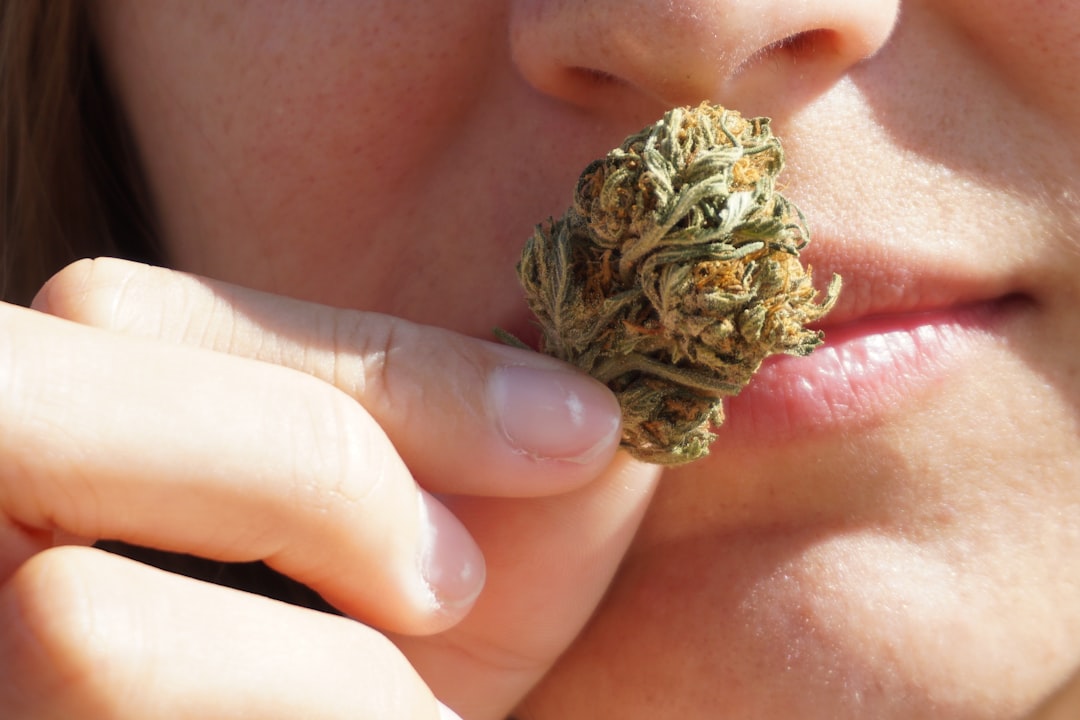
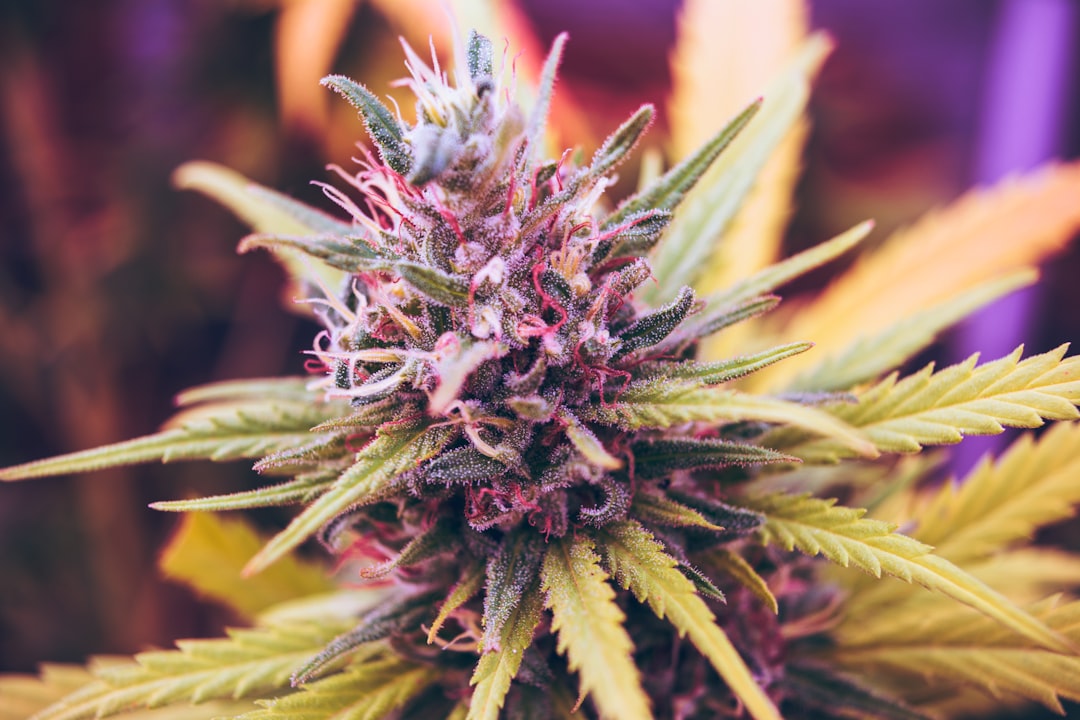

When you're choosing a cannabis product, terpenes are a big deal. They're these natural compounds found in the plant that do more than just give it a distinctive smell. They play a significant role in how a product might affect you. Imagine them as the spice rack of the cannabis world. Different terpenes can change the flavor and aroma, but more importantly, they can impact your experience in unexpected ways. For instance, the terpene myrcene is thought to have a relaxing effect, while limonene might uplift your mood.
Key Terpene Facts:
So, why does this matter? Well, if you're looking for a specific effect, understanding terpenes can guide you. Let's say you're a medical cannabis patient in San Jose, trying to manage anxiety. You might want to look for products high in linalool, which is believed to help with relaxation. On the other hand, recreational users seeking an energetic high might lean towards strains with a higher concentration of pinene.
A common mistake people make is ignoring terpenes and focusing solely on THC or CBD levels. While these cannabinoids are crucial, terpenes add another layer to the experience. If you don't pay attention, you might end up with a product that doesn't meet your needs or preferences.
Reading the lab reports is a good start. They often list the terpene profile, helping you make an informed choice. If you're new to this, dispensary staff can usually offer guidance.
When you're figuring out which cannabis product suits you best, it's crucial to understand the different consumption methods. Edibles, vapes, and tinctures each offer unique experiences and effects. Let’s break it down.
Edibles are a popular choice. They come in all sorts of forms—think gummies or brownies. The key thing to remember with edibles is that they take longer to kick in, usually 30 minutes to 2 hours. That's because they have to be digested first. People often make the mistake of taking more because they don't feel the effects right away. Patience is important here. Once they hit, the effects can last several hours, which is great if you're looking for something long-lasting.
Vapes, on the other hand, are for those who want something quick. The effects are almost immediate because the vapor is absorbed through your lungs. This makes dosing easier to manage. However, it's essential to be aware of the quality of the vape product. Poor-quality vapes can contain harmful additives. Always check for reputable brands and lab testing.
Then there are tinctures, which are kind of a middle ground. They're liquid extracts you place under your tongue. The onset is quicker than edibles but slower than vaping, usually around 15 to 45 minutes. Tinctures offer precise dosing, which is excellent for medical users who need specific amounts. But remember, the taste can be strong, so it's not everyone's cup of tea.
Each method has its pros and cons. Your choice will depend on what you're comfortable with and what you want to achieve. Understanding these basics helps you avoid common pitfalls and ensures a more satisfying experience.
When it comes to picking out cannabis products, you want to be sure you're getting the real deal. First thing, check out the brand’s reputation. It's like a badge of trust. A brand with a solid reputation usually means they've been doing something right for a while. They’ve likely got a history of satisfied customers and reliable products. So, how do you know if a brand is reputable? Look them up. Google them. See what people are saying.
Customer reviews are gold. They give you unfiltered opinions from folks who’ve actually bought the product. Look for patterns. If a bunch of people are talking about the same issue or benefit, there's probably some truth to it. But be smart about it. One or two bad reviews in a sea of good ones might just be outliers.
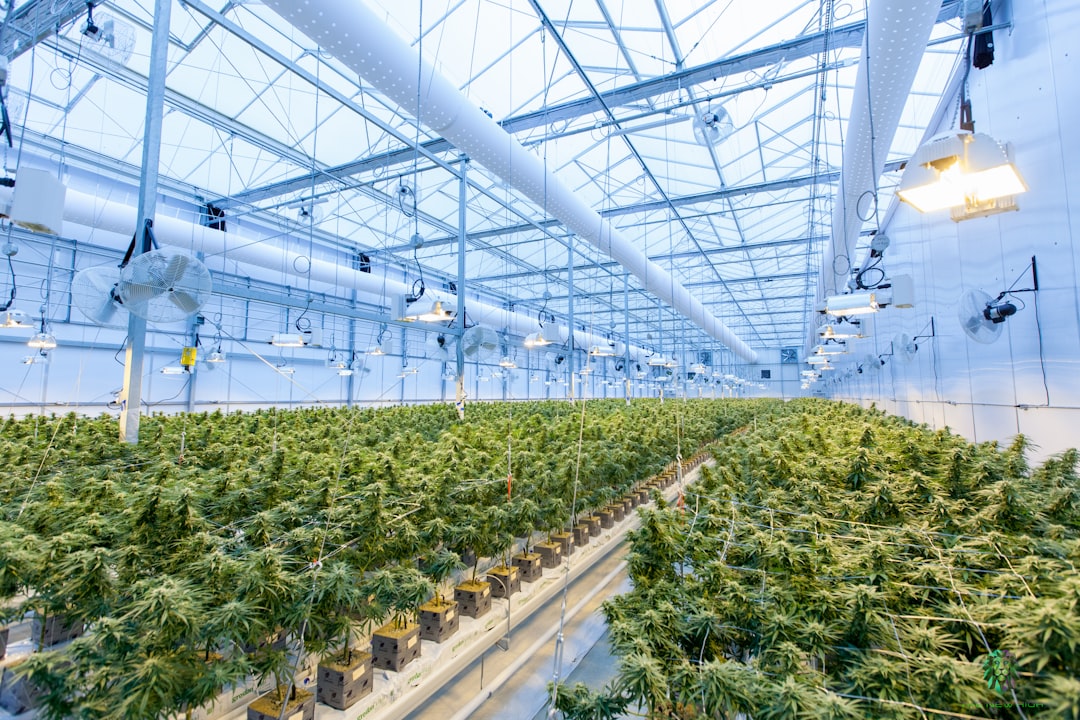
Transparency is another big one. You want to know where your cannabis is coming from. Brands that openly share information about their sourcing and manufacturing processes are usually worth your attention. They’re not hiding behind vague descriptions. They tell you where the plants are grown, how they're harvested, and what goes into the final product. This kind of transparency helps you make an informed choice. If a brand’s keeping things under wraps, that’s a red flag.
Ignoring these factors can lead to buying subpar products. You could end up with something that doesn’t work as advertised, or worse, something that’s not safe. So, do your homework. It’s worth the time to ensure what you’re buying is both safe and effective.
When choosing cannabis products, aligning them with what you actually need is crucial. It’s not just about what’s popular or trending. Think about the experience you’re aiming for. Are you looking to unwind after a long day or need something to help manage chronic pain? Different products cater to different needs. For example, strains higher in CBD might be better for medical use, while those with higher THC levels are often preferred for recreational purposes.
Considerations for Consumption Methods:
You should also consider the method of consumption. Smoking, vaping, edibles, tinctures—each has its own onset time and duration of effects. Edibles, for instance, take longer to kick in but last longer, which might be perfect for someone looking for sustained relief. But if you’re not careful, it’s easy to consume too much. Start low, go slow. That’s a rule many forget, leading to unpleasant experiences.
Another thing to watch out for is the legality and compliance of the products you’re buying. In San Jose, CA, and other legal markets, look for lab-tested products. These tests confirm the potency and ensure the absence of harmful substances like pesticides or mold. Skipping this step could mean risking your health.
Ultimately, it’s about knowing what you want and making informed choices. If you don’t match the product to your needs, you might end up dissatisfied or, worse, face adverse effects. A cannabis store San Jose shoppers enjoy should make it easy to compare products without needing a spreadsheet titled “Very Serious Weed Decisions.” So, take the time to understand what each product offers and how it aligns with your desired outcomes.
Searching for a weed dispensary in San Jose CA can be a convenient way to explore adult-use cannabis options close to home. Whether you live near downtown San Jose, Willow Glen, Almaden, Evergreen, Berryessa, Cambrian Park, North San Jose, or West San Jose, a licensed dispensary can offer a safer and more informed shopping experience.
A quality dispensary in San Jose CA may carry popular cannabis products like gummies, vape cartridges, flower, and pre-rolls. New cannabis consumers can ask about how edibles work, how strong a product may be, and how long effects can last. Experienced customers may look for products that match their preferred routine.
Marijuana in California is illegal under United States government legislation, yet legitimately approved for medical use considering that 1996 and for entertainment usage since late 2016 under The golden state law. The state of The golden state has gone to the forefront of initiatives to liberalize marijuana laws in the USA, beginning in 1972 with the nation's very first tally effort attempting to legislate marijuana (Proposition 19). Although it was not successful, California would certainly later on end up being the initial state to legalize clinical cannabis with the Compassionate Use Act of 1996 (Proposition 215), which passed with 56% voter approval. In November 2016, California voters authorized the Adult Use Cannabis Act (Proposition 64) with 57% of the ballot, which legalized the entertainment use of cannabis. As a result of leisure legalization, local governments (city and area) may not forbid adults from expanding, utilizing, or moving cannabis for individual use. Business tasks can be controlled or banned by local governments although distributions can not be restricted. Adhering to recreational legalization, existing cultivators and distributors of clinical cannabis were required to sign up, abide by policies, and obtain licenses. Over fifty percent of the not-for-profit dispensaries legitimately providing clinical cannabis shut. Neighborhood firms have been slow to accept retail stores selling marijuana for recreational purposes with a lot of cities and regions prohibiting retail with a delay and see strategy. Lots of existing cultivators have been slow to look for licenses as it has actually been approximated that 60 percent or more of all marijuana consumed in the USA comes from north California. The export of marijuana to various other states continues to be prohibited since the U. S. Medicine Enforcement Management considers it an Arrange I drug. Minimizing unlawful activity is considered important for the success of lawful procedures who pay the significant tax obligations evaluated by state and regional authorities. Lots of people do not have neighboring retailers marketing marijuana and continue to purchase from unlicensed vendors. Illegal expanding proceeds in remote rural areas. Raids and confiscation by police of prohibited retail and expand operations have continued and sometimes tipped up after legalisation. California's major governing firms were at first the Bureau of Cannabis Control (BCC), Department of Food and Farming, and Department of Public Health. Their responsibilities were merged under the Division of Marijuana Control in 2021.
.